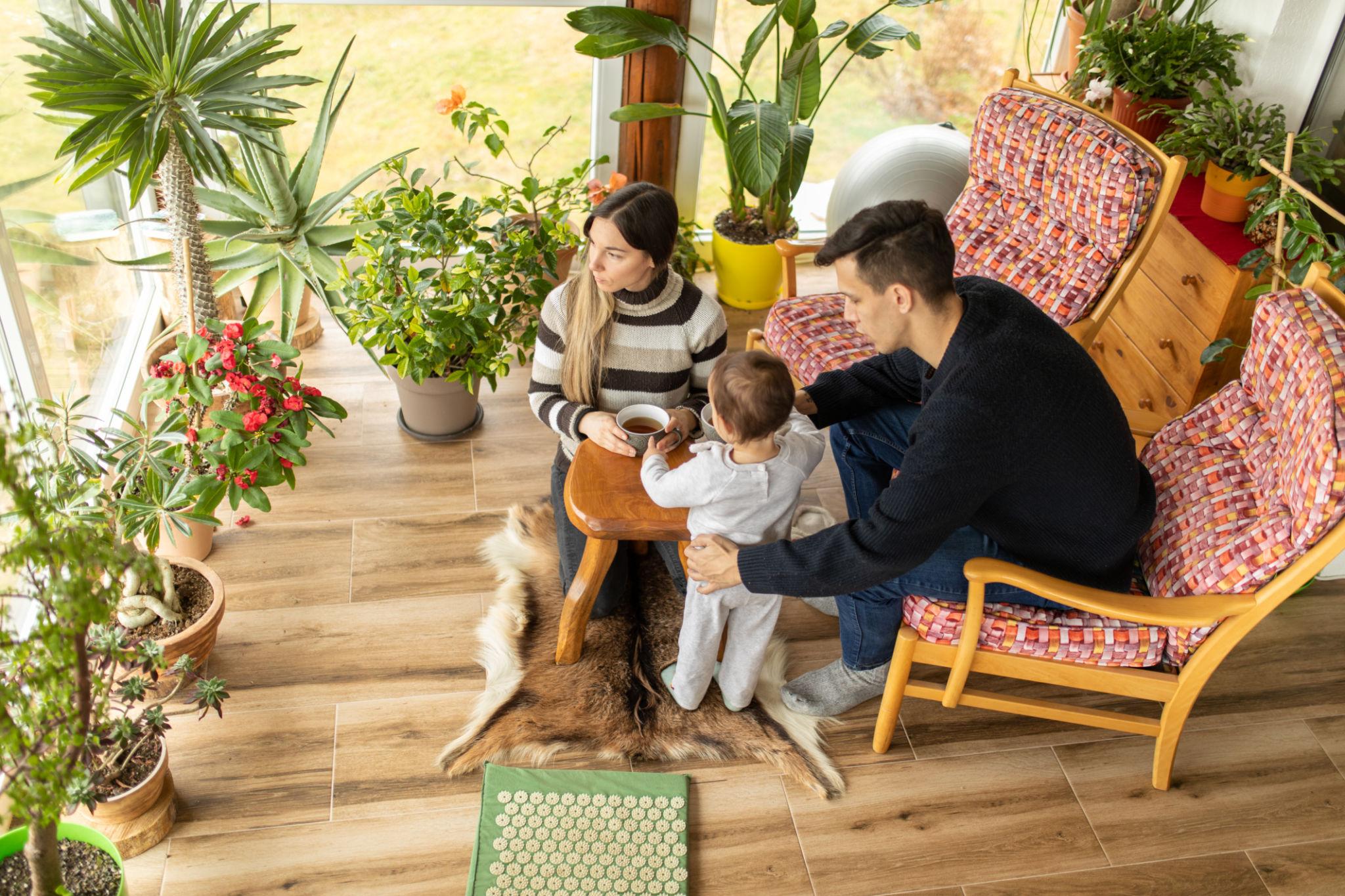
What Is a Simple Life? 15 Practical Tips for a Happier Life
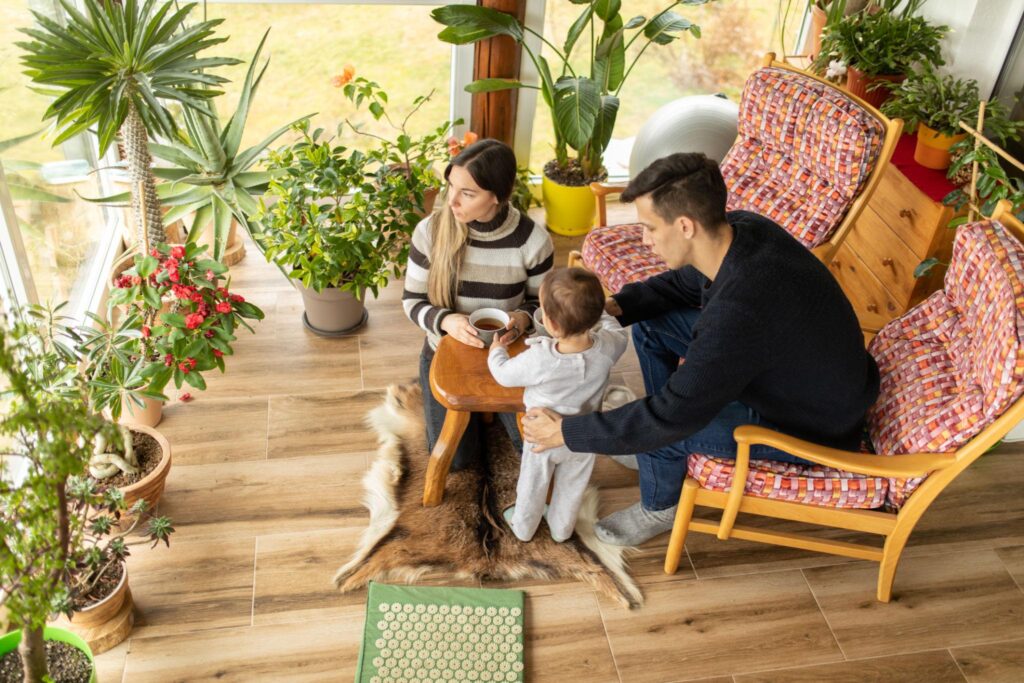
What is a simple life, really? It is not about owning nothing or moving to a cabin in the woods. A simple life means choosing fewer commitments, fewer possessions, and fewer distractions so you have more room for what actually matters to you. Nearly one in four people who describe themselves as minimalists report higher life satisfaction than average consumers, even though they spend less money on things [Source: John Rector, Global Minimalist Lifestyle Trend Report, 2025]. That is a striking number, and it points to something most of us already sense. More stuff does not equal more happiness.
In this guide, you will learn what simple living actually means, why it works, and fifteen practical tips you can start using today. You will also see how simple living fits into a modern life full of phones, deadlines, and endless notifications, even if you are working with a tight budget. By the end, you will have a clear, doable plan for a calmer, more intentional life.
Table of Contents
- What Is a Simple Life?
- The Real Benefits of Simple Living
- How Do You Start Living a Simple Life?
- 15 Practical Tips for a Happier, Simpler Life
- Is Simple Living Possible With Little Money?
- Simple Living in a Modern, Connected World
- What Are Some Simple Lifestyle Examples?
- Common Mistakes That Derail Simple Living
- FAQ
- Conclusion
What Is a Simple Life?
A simple life is a way of living that trims away excess so you can focus on what truly matters, such as health, relationships, purpose, and peace of mind. It is built on intentional living, which means every purchase, commitment, and habit is a conscious choice rather than a default reaction to advertising or social pressure.
Simple living is not the same as poverty, and it is not the same as extreme minimalism where someone owns only fifty items. It is a mindset. Researchers who studied people practicing a minimalist lifestyle found that participants described it as a focus on simplicity and making the most of life, which led to greater self acceptance and stronger relationships [Source: Trisnawati et al., Psychological Research and Intervention, 2025].
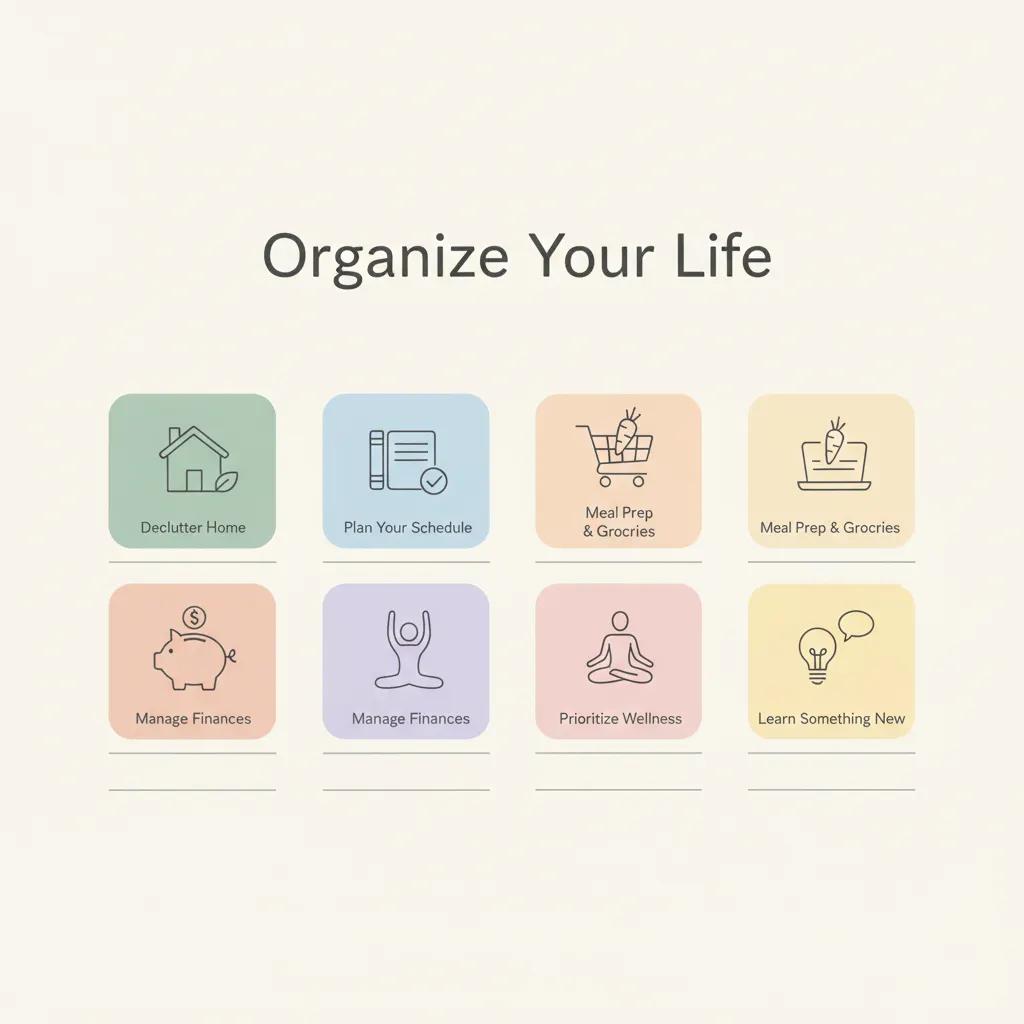
Simple Living vs Minimalism vs Frugality
People often confuse these three ideas, so a quick comparison helps clear things up.
| Concept | Main Focus | Common Misconception |
| Simple Living | Reducing complexity and mental clutter | That it requires living without comfort |
| Minimalism | Reducing physical possessions | That it means owning almost nothing |
| Frugality | Reducing spending | That it is the same as being cheap |
Simple living can include minimalism and frugality, but it is broader. It touches your schedule, your digital habits, and your relationships, not just your closet or your bank account.
What Is Simple Lifestyle for Class 3? A Plain Explanation
If you are explaining this concept to a child or looking for the simplest possible definition, think of it this way. A simple lifestyle means using only what you need, taking care of your things, and spending time on activities like reading, playing outside, or helping family instead of collecting more toys or gadgets. That basic idea, doing more with less and appreciating what you have, is the seed that grows into the adult version of simple living.
The Real Benefits of Simple Living
Simple living reduces stress, saves money, and frees up time, and those benefits are backed by real research, not just personal opinion.
Clutter has a measurable effect on the body. Women with cluttered homes showed higher cortisol levels later in the day compared to women in tidy homes [Source: Modern Minimalism, Science Backed Benefits of Minimalism, 2025]. Cortisol is your primary stress hormone, so a cluttered environment is not just visually annoying, it is physically taxing.
The financial upside is just as strong. Minimalism encourages people to prioritize needs over wants, which builds savings and reduces the burden of debt [Source: International Journal of Research Publication and Reviews, December 2024]. Meanwhile, digital clutter is draining professional time too. Knowledge workers spend as much as 67 minutes a day searching for scattered files and information [Source: Wakefield Research for Asana, cited in The 2026 Minimalism Guide]. Simplifying your digital workspace alone can hand back over an hour of your day.
Mental and Emotional Benefits
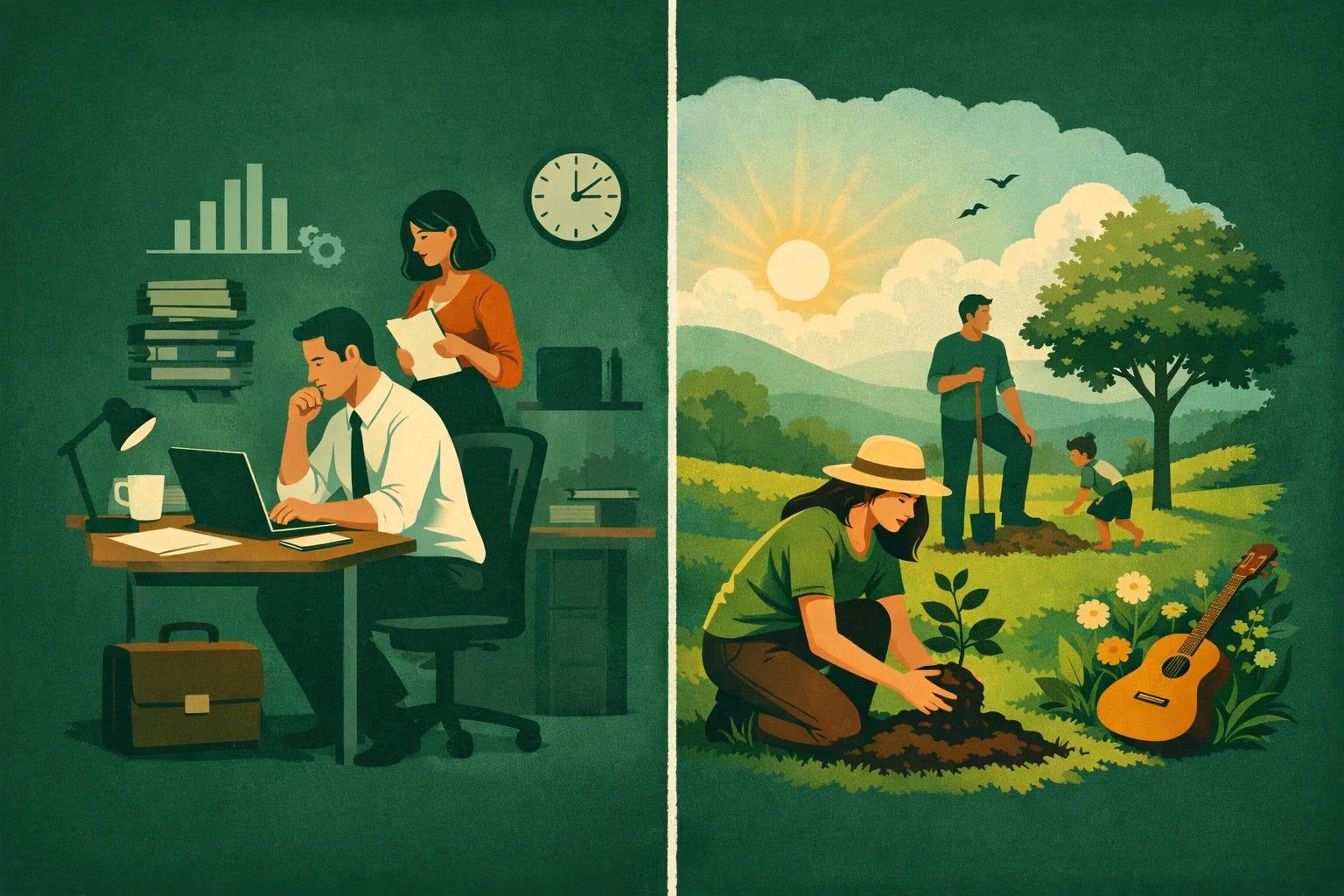
Beyond stress reduction, simple living supports personal growth, environmental mastery, and a stronger sense of life purpose, according to qualitative interviews with people who adopted a minimalist lifestyle [Source: Trisnawati et al., 2025]. Fewer decisions about what to buy or wear frees up mental energy for decisions that matter more.
Financial and Environmental Benefits
People who identify as minimalists carry a smaller environmental footprint, roughly 22 to 23 percent smaller than average shoppers, largely due to buying less and buying with intention [Source: Global Minimalist Lifestyle Study, 2025]. Combined with lower spending, this makes simple living one of the few lifestyle shifts that benefits your wallet and the planet at the same time.
How Do You Start Living a Simple Life?
You start living a simple life by making one small change at a time instead of trying to overhaul everything at once. Trying to declutter your entire house, quit social media, and change careers in the same week almost always leads to burnout and giving up.
Start With a Values Audit
Before you remove anything, decide what actually matters to you. Write down your top five priorities, whether that is family time, creative work, health, or financial freedom. Every choice going forward gets measured against this list.
Pick One Area First
Choose a single area, such as your closet, your phone home screen, or your morning routine. Small, visible wins build momentum and make the bigger changes feel less intimidating.
Set a Realistic Timeline
Simple living is a long term shift, not a weekend project. Give yourself weeks or months, not days, to adjust your habits so the change actually sticks.
15 Practical Tips for a Happier, Simpler Life
These fifteen tips cover mindset, daily habits, home and money, and relationships, so you can build a complete, sustainable approach to simple living.
Mindset Shifts
- Define enough for yourself. Decide what a comfortable, sufficient life looks like for you, in your own words, instead of comparing yourself to others.
- Practice letting go of attachments. Notice when you are holding onto an item, habit, or relationship out of guilt or fear rather than genuine value.
- Choose single-tasking over multitasking. Task switching can cost as much as 40 percent of your productive time, according to research from the American Psychological Association [Source: American Psychological Association, cited in Multitasking Statistics Report, 2026]. Doing one thing at a time is not just calmer, it is measurably more effective.
- Find contentment in small moments. A slower morning coffee or a short walk outside counts as much as a big achievement.
Daily Habits for a Peaceful Life
- Build a short morning routine. Keep it to three or four steps so it never feels like a chore.
- Limit decision fatigue. Plan meals or outfits in advance so you save your mental energy for bigger choices.
- Protect a daily quiet hour. Turn off notifications for one hour a day to reset your focus and lower background stress.
- Practice mindful living during routine tasks. Wash dishes, walk the dog, or fold laundry without your phone nearby, and let your mind actually rest.
Home, Money, and Decluttering
- Declutter one drawer or shelf a day. Decluttering your life in small chunks prevents overwhelm and creates consistent momentum.
- Adopt a one in, one out rule. For every new item you bring home, let go of an old one.
- Track your spending for thirty days. Awareness alone often reduces impulse purchases by a meaningful margin.
- Choose quality over quantity. Fewer, better made items last longer and reduce the urge to constantly replace things.

Relationships and Purpose
- Say no to commitments that drain you. Protecting your calendar is one of the most powerful simple living tips available.
- Invest in a few close relationships. Depth matters more than a large social circle for long term happiness.
- Revisit your goals every season. A short quarterly check in keeps your simple lifestyle aligned with what you actually want, not what you wanted a year ago.
Is Simple Living Possible With Little Money?
Yes, simple living is not only possible with little money, it is often easier, because the whole philosophy is built around needing less rather than earning more. In fact, many of the practices above, like decluttering, single-tasking, and setting boundaries around your time, cost nothing at all.
Free and Low Cost Practices
Borrowing books from a library, cooking at home, walking instead of driving short distances, and repairing items instead of replacing them are all classic examples of simple living lifestyle choices that require little to no money.
Building Financial Breathing Room
Simple living naturally builds savings because it reduces impulse spending and shifts focus toward experiences and relationships instead of material accumulation [Source: International Journal of Research Publication and Reviews, December 2024]. Over time, this creates the very financial stability that many people assume requires a higher income.
Simple Living in a Modern, Connected World
Simple living in a modern world means being intentional with technology instead of rejecting it entirely, since most of us cannot realistically disconnect from phones, email, or remote work.
Digital Decluttering Matters as Much as Physical Decluttering
Digital clutter triggers stress and anxiety levels comparable to physical clutter, according to recent research summarized in minimalism trend reporting [https://lifeminnt.com/less-is-more-2026-minimalism-guide/]. Unsubscribing from unnecessary emails, muting non essential notifications, and organizing your files can noticeably lighten your mental load.
Slow Living as a Counterbalance
Slow living, a close cousin of simple living, encourages you to do fewer things but do them with more attention. This might mean cooking a meal instead of ordering delivery, or reading a physical book instead of scrolling for the same amount of time.
What Are Some Simple Lifestyle Examples?
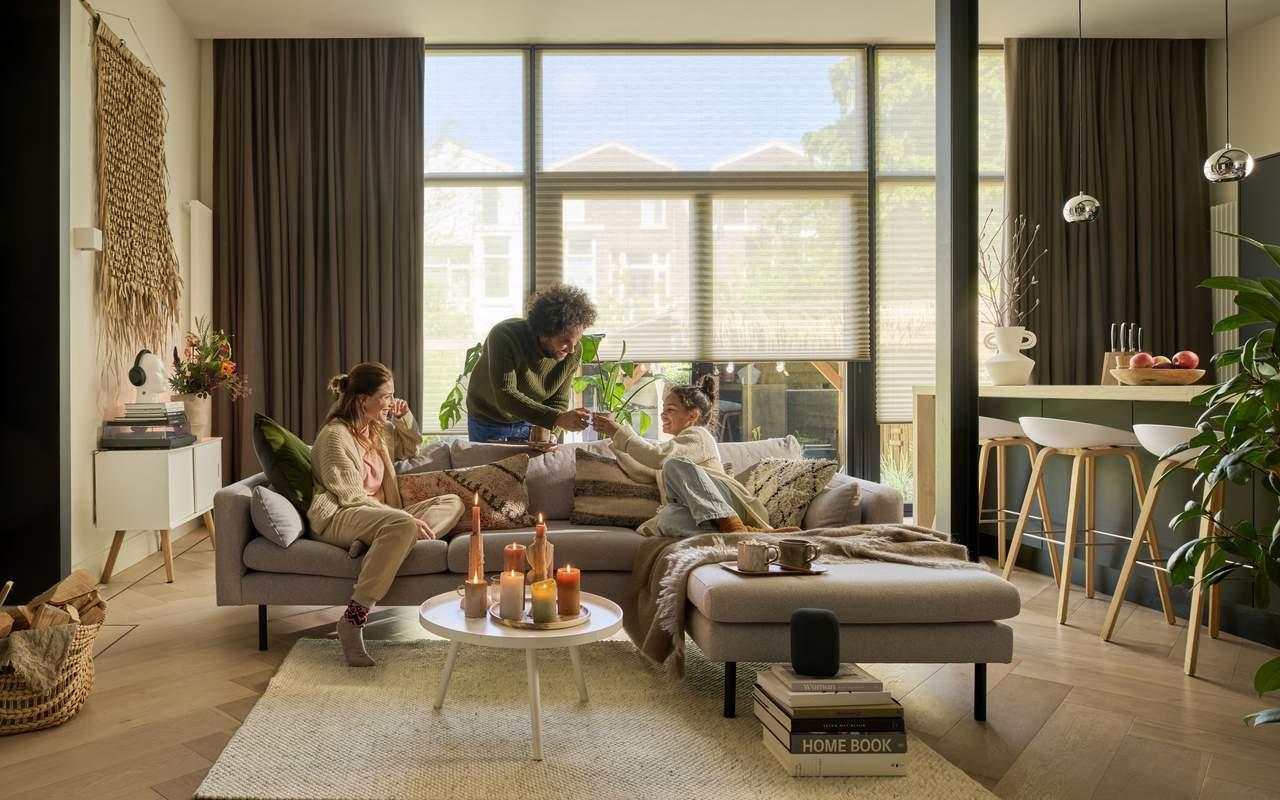
Simple lifestyle examples include capsule wardrobes, single-income households built around lower expenses, digital nomad setups with minimal belongings, and families who choose one weekly outing instead of a packed schedule of activities.
Everyday Examples
A person who owns thirty versatile clothing items instead of two hundred, a family that cooks at home five nights a week, or a professional who blocks two hours of deep, uninterrupted work each day are all practicing simple living, even if they never use that label.
Aspirational Examples
Some public figures and everyday people have scaled back to smaller homes, part time work, or single car households specifically to reduce stress and increase time with family, reflecting the broader trend where younger adults increasingly prioritize present day wellbeing over maximizing future wealth [Source: Harvard Youth Poll, cited in Global Minimalist Lifestyle Trend Report, 2025].
Common Mistakes That Derail Simple Living
Most people abandon simple living not because the philosophy fails, but because they try to change everything at once or treat it as a rigid rulebook instead of a flexible practice.
Turning It Into Perfectionism
Simple living is not about owning a specific number of items or following someone else’s exact routine. Trying to match an influencer’s aesthetic instead of your own needs usually backfires and adds stress rather than removing it.
Ignoring Social Pressure
External judgment from friends or family is one of the biggest challenges people report when adopting a simpler lifestyle [Source: Trisnawati et al., Psychological Research and Intervention, 2025]. Expect some pushback, and remind yourself why you started.
Living a Simple Life Quotes to Keep You Grounded
Short reminders can help you stay on track when motivation dips.
“Simplicity is the ultimate sophistication.” This idea, often attributed to Leonardo da Vinci, captures why simple living has endured across centuries. “Less but better” is another guiding phrase used widely in minimalist design and living circles to describe the same principle.
FAQ
What is a simple life in one sentence?
A simple life is one where you intentionally reduce excess possessions, commitments, and distractions to make more room for what matters most, such as health, relationships, and purpose.
How do I start living a simple life and be happy?
Start by identifying your top priorities, then remove one source of clutter or stress each week. Small, consistent changes build a happier, simpler life faster than one big overhaul.
Can you live a simple life with little money?
Yes. Simple living often costs less because it focuses on needing less rather than earning more, making it accessible regardless of income level.
What are five ways to live a simple life?
Declutter regularly, single-task instead of multitask, limit digital notifications, spend intentionally, and protect time for close relationships.
Is simple living the same as minimalism?
No. Minimalism focuses mainly on owning fewer possessions, while simple living is broader and includes your schedule, habits, and mindset.
Why is simple living good for stress?
Clutter and constant task switching raise cortisol and reduce focus, so simplifying your environment and routine directly lowers daily stress levels.
What is a simple lifestyle for a child to understand?
It means using only what you need, taking care of your belongings, and enjoying simple activities like reading or playing outside instead of collecting more things.
How long does it take to build a simple living lifestyle?
Most people see noticeable benefits within a few weeks, but a fully sustainable simple lifestyle typically takes several months of gradual, intentional change.
Conclusion
A simple life is not about deprivation. It is about clarity, intention, and making room for what genuinely makes you happy. Three takeaways stand out from this guide. First, simple living reduces measurable stress by lowering clutter and cutting harmful multitasking habits. Second, it works on any budget, since the core practices cost little or nothing. Third, lasting change comes from small, consistent steps rather than a single dramatic overhaul.
If you are ready to feel calmer and more in control of your days, pick just one tip from this list and start this week. That single step is often all it takes to begin building a genuinely simple, happier life.
References and Further Reading
- Trisnawati, Rahmawati, R. T., Arshanty, I. R., and Adira, N. Psychological Well-being of Individuals Living a Minimalist Lifestyle: A Phenomenological Study. Psychological Research and Intervention, 2025.
- International Journal of Research Publication and Reviews. Its Effects on Stress and Anxiety Levels. Volume 5, Issue 12, December 2024.
- Modern Minimalism. Science Backed Benefits of Minimalism. 2025.
- The 2026 Minimalism Guide. Lifestyle Trends, Proven Benefits, and How to Start Today. 2026.
- John Rector. Global Minimalist Lifestyle Trend: Current Status and Future Outlook. Includes Harvard Youth Poll data. 2025.
- American Psychological Association. Research on task switching and multitasking productivity costs, as summarized in Multitasking Statistics Report, 2026.