Simple Living: The Ultimate Guide to a Calmer, Happier, and More Intentional Life
Nearly one in three Americans currently rents a self storage unit just to hold the overflow of belongings they cannot fit at home, and the share of households renting storage climbed from 11.1 percent in 2022 to 13.4 percent in 2024 [Source: PwC and Self Storage Association, 2024]. That single fact says a lot about modern life. We are buying more, storing more, and somehow feeling less settled.
Simple living is the answer many people are turning to instead. It means owning fewer things, spending less time on distractions, and putting your attention on what actually matters to you. This guide breaks down exactly what simple living looks like in real life, why it works, and how to build it step by step.
In this guide you will learn what simple living actually means, the research backed benefits of a simpler lifestyle, how simple living compares to minimalism and slow living, and a full action plan to declutter your home, your schedule, and your mind. You will also get practical habits you can start using today, plus answers to the most common questions people ask about living simply.
Table of Contents
- What Is Simple Living?
- Why Is Simple Living Important?
- The Benefits of a Simple Life, Backed by Research
- Is a Minimalist Lifestyle Worth It?
- How Do I Start Living Simply?
- Simple Living Habits That Actually Stick
- How Can I Declutter My Life?
- Sustainability and Slow Living, the Bigger Picture
- FAQ
- Conclusion
What Is Simple Living?
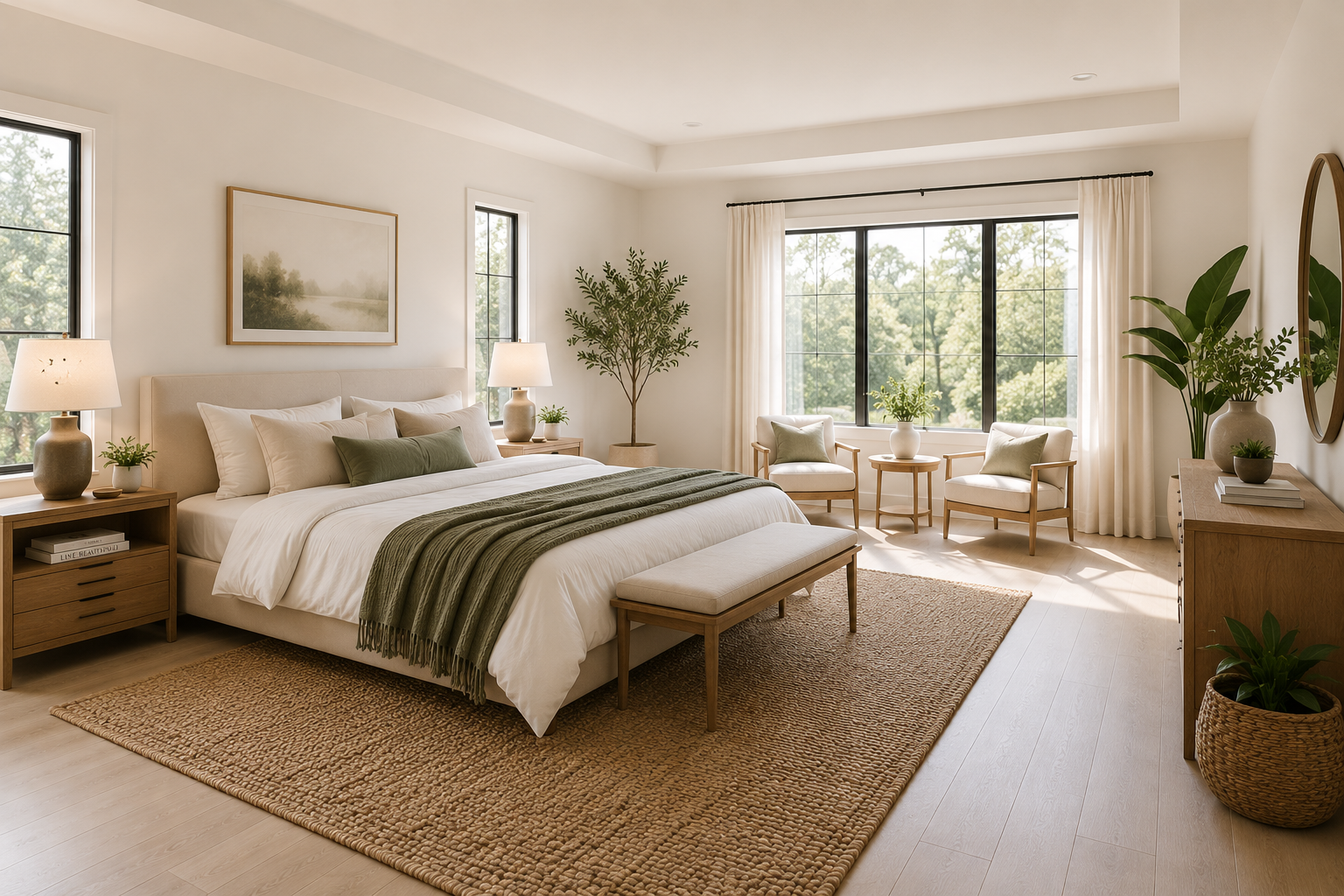
Simple living is a deliberate choice to reduce excess in your possessions, your schedule, and your spending so you can focus on what brings you real satisfaction. It is not about deprivation. It is about removing the clutter, noise, and obligations that do not add value so there is more room for what does.
People sometimes assume simple living means giving up comfort or living without modern conveniences. That is a myth. A simple lifestyle can still include a nice home, a good job, and technology. What changes is the intention behind each choice. Every purchase, commitment, and habit gets measured against one question: does this genuinely improve my life.
The Roots of Simple Living
The idea is not new. Thinkers such as Henry David Thoreau wrote about deliberate, uncomplicated living long before minimalism became a design trend. Thoreau’s experiment at Walden Pond in the 1840s is still cited today as an early example of choosing less in order to gain more freedom [Source: Thoreau, Walden, 1854].
Simple Living vs a Simple Lifestyle Trend
A simple lifestyle is not a single formula. For one person it might mean moving to a smaller home. For another it might mean quitting a demanding job for one with fewer hours. The common thread across every simple day living and lifestyle approach is intentional reduction rather than random subtraction.
Why Is Simple Living Important?
Simple living matters because chronic overconsumption and overscheduling are directly linked to higher stress and lower life satisfaction. When you reduce both, you free up mental energy that would otherwise go toward managing things, debts, and commitments.
Economic pressure is part of the story. Global economic growth slowed to roughly 2.2 percent per year between 2020 and 2024, the weakest stretch since the early 1990s, and rising costs of living have pushed many younger adults to question the idea that more possessions equal more success [Source: World Bank, 2024]. In response, cultural movements such as Japan’s Satori generation and South Korea’s low desire lifestyle have emerged, describing young people who are intentionally scaling back consumption and ambition [Source: John Rector, Global Minimalist Lifestyle Trend Report, 2025].
The Financial Case for Simplicity
Owning less naturally means spending less. Fewer purchases mean fewer subscriptions, less maintenance, and lower storage costs. That connects directly back to the self storage statistic above. When a household needs a separate paid unit just to store overflow items, that is often a sign that consumption has outpaced actual need.
The Mental Health Case for Simplicity
A synthesis of psychological research from 2021 through 2024 found that reducing the volume of possessions in a home can lower material related stress by roughly 25 to 40 percent while increasing a person’s sense of control over their life [Source: John Rector, Global Minimalist Lifestyle Trend Report, 2025]. That is a meaningful shift, and it explains why so many people describe decluttering as an emotional relief rather than just a tidying task.
The Benefits of a Simple Life, Backed by Research
The benefits of simple living show up in three main areas: money, time, and mental clarity. Below is a quick comparison of what changes when someone commits to a simpler lifestyle.
| Area of Life | Before Simple Living | After Simple Living |
| Spending | Frequent impulse purchases, multiple subscriptions | Intentional purchases, fewer recurring costs |
| Time | Overbooked schedule, constant multitasking | Protected time blocks, fewer commitments |
| Home | Cluttered rooms, storage overflow | Organized spaces, only useful items kept |
| Mental State | Frequent overwhelm and decision fatigue | Greater calm and clearer priorities |
| Digital Life | Constant notifications, heavy screen time | Curated apps, scheduled screen time |
Reduced Stress and Better Focus
Fewer possessions mean fewer decisions about cleaning, organizing, repairing, and replacing things. That mental load adds up. A phenomenological study of people practicing a minimalist lifestyle found consistent reports of improved psychological well being tied to reduced clutter and clearer daily priorities [Source: Wati et al., Psychological Research and Intervention, 2025].
Financial Freedom
When spending slows down, savings grow. Because minimalist and simple living habits reduce impulse buying, many people redirect that money toward debt repayment, savings, or experiences instead of objects. A 2024 industry analysis valued the minimalist lifestyle products market at 10 billion dollars, with steady growth projected as more consumers choose durable, long lasting goods over disposable ones [Source: Future Data Stats, Minimalist Lifestyle Products Market Report, 2024].
Stronger Relationships and Presence
With less time spent managing possessions and less money stress in the background, people report having more bandwidth for relationships. This is one of the most common reasons cited by millennials and Gen Z adults who say they are actively reducing their possessions, alongside environmental concerns and financial freedom [Source: Dwivedi, Medium, 2024].
Is a Minimalist Lifestyle Worth It?
Yes, for most people who feel overwhelmed by clutter or overspending, a minimalist lifestyle is worth trying because the financial and psychological benefits tend to outweigh the short term effort of decluttering. That said, minimalism is a tool, not a strict rulebook, and it does not suit every situation equally.
It helps to understand how simple living, minimalism, and slow living relate to each other, since people often use the terms interchangeably.
| Concept | Main Focus | Typical Practice |
| Simple Living | Reducing overall complexity in life | Simplifying finances, schedule, and home together |
| Minimalist Lifestyle | Reducing physical possessions specifically | Keeping only items that serve a clear purpose |
| Slow Living | Reducing pace and rushing | Prioritizing presence over productivity |
| Intentional Living | Aligning daily choices with personal values | Reviewing habits and commitments regularly |
When Minimalism Works Well
Minimalism tends to work best for people dealing with visible clutter, high consumer debt, or a cluttered digital life. Consumer behavior researchers note that 78 percent of consumers now say sustainability matters when they shop, which is pushing more people toward buying less and choosing quality over quantity [Source: John Rector, Global Minimalist Lifestyle Trend Report, 2025].
A Fair Counterpoint
Minimalism is not automatically virtuous. Some critics point out that “minimalist” branding has become its own consumer trend, with expensive organizers and curated capsule wardrobes that contradict the original goal of owning less [Source: Dwivedi, Medium, 2024]. The lesson here is simple. True minimalism is about function and intention, not about buying a new aesthetic.
How Do I Start Living Simply?
You start living simply by auditing one area of life at a time, removing what does not serve a clear purpose, and building small daily habits that protect your time and attention. Trying to overhaul everything at once usually backfires, so a staged approach works better.
Step One, Audit Your Spending
List your recurring expenses and subscriptions. Cancel anything you have not used in the last 60 days. This single step often frees up both money and mental space immediately.
Step Two, Simplify Your Calendar
Block out protected time for rest, family, or hobbies before your schedule fills up with obligations. Treat that time as a real appointment, not a placeholder.
Step Three, Reduce Digital Noise
Turn off non essential notifications and set specific times to check email and social media. Digital minimalism is one of the fastest growing parts of the movement, with more people actively reducing screen time and streamlining their inboxes and cloud storage [Source: Design Services, 2025 Trends in Minimalism Report, 2025].
Step Four, Choose One Room to Simplify First
Pick a single room, such as a bedroom or kitchen, and fully declutter it before moving to the next space. Momentum from one finished room makes the rest of the process feel achievable.
Simple Living Habits That Actually Stick
Habits succeed when they are small, repeatable, and tied to a clear reason. Here are simple living habits that consistently work for real households, not just theory.
- Do a five minute nightly reset of shared spaces before bed
- Follow a one in, one out rule for new purchases
- Cook at home most nights instead of ordering out
- Keep a short, specific wish list before buying anything nonessential
- Unsubscribe from marketing emails once a month
- Choose experiences over gifts for birthdays and holidays
- Set a weekly no spend day
- Keep surfaces clear so the home feels calm at a glance
Why Small Habits Beat Big Overhauls
Behavior research consistently shows that small, repeatable actions are more sustainable than dramatic one time changes, because they do not rely on willpower alone. That is why habit stacking, such as decluttering while doing laundry, tends to outperform a single massive decluttering weekend.
Building a Simple Morning Routine
A calmer morning sets the tone for the day. Keep your morning routine to three or four steps, such as making the bed, a short walk, and a distraction free breakfast, rather than a long checklist that adds pressure before the day even starts.
How Can I Declutter My Life?
You declutter your life by tackling physical items, digital clutter, and time commitments separately, using clear keep or remove rules for each category instead of relying on motivation alone. Decluttering works best as a system, not a single event.
Declutter Your Physical Space
Sort belongings into four categories: keep, donate, sell, and discard. Handle each item once. If you have not used something in a year and it holds no strong sentimental or practical value, it likely belongs in the donate or sell pile.
Declutter Your Digital Life
Clear your desktop, unsubscribe from unused apps, and organize files into a small number of clearly named folders. Digital clutter creates the same low level stress as physical clutter, even though it is easy to ignore because it is not visible in a room.
Declutter Your Calendar
Review recurring commitments every quarter. Ask whether each one still matches your current priorities. Drop or renegotiate anything that no longer fits, rather than continuing out of habit or guilt.
Declutter Your Finances
Consolidate accounts where possible, automate savings, and cancel duplicate subscriptions. A simpler financial setup reduces the mental overhead of tracking money across too many places.
Sustainability and Slow Living, the Bigger Picture
Simple living and sustainability are closely connected because buying less and choosing durable goods both reduce waste and environmental impact. Slow living adds another layer by encouraging people to reduce rushing in daily life, not just reduce possessions.
Wardrobe habits illustrate this well. The average person in the United Kingdom wears only about half of the clothing in their closet during a given year, which highlights how much unused inventory sits in most homes [Source: Best Colorful Socks, Wardrobe Minimalism Trend Report, 2025]. Choosing quality, versatile pieces instead of frequent new purchases is a direct, practical way to combine simple living with sustainability.
How Slow Living Supports Simple Living
Slow living asks you to do fewer things with more attention, whether that is cooking a meal slowly instead of rushing through it or reading instead of scrolling. This pairs naturally with simple living because both approaches value depth over volume.
A Realistic View of the Limits
Simple living is easier for people with financial flexibility and harder for those managing tight budgets, caregiving duties, or health challenges. It is worth acknowledging this nuance rather than presenting simple living as equally accessible to everyone. The core habits, such as auditing subscriptions or decluttering one drawer at a time, still apply at any income level, even if a full lifestyle overhaul is not realistic for everyone right away.
FAQ
What does intentional living mean?
Intentional living means making deliberate choices about how you spend your time, money, and attention instead of drifting through daily routines on autopilot. It involves regularly checking whether your habits match your actual values, then adjusting anything that does not.
How do I declutter my life?
Sort your belongings, digital files, and commitments into clear categories such as keep, remove, and reconsider. Work through one category at a time using consistent rules, rather than trying to declutter everything at once.
How can I reduce stress in daily life?
Reduce stress by cutting unnecessary commitments, simplifying your environment, and protecting time for rest. Owning fewer things and saying no to low value obligations both lower the mental load that fuels everyday stress.
What are the habits of simple living?
Common habits include a one in, one out purchasing rule, a nightly reset of shared spaces, cooking at home, limiting notifications, and reviewing subscriptions monthly. These habits work because they are small and repeatable.
How can I simplify my life quickly?
Start with your calendar and your subscriptions, since both are fast to review and immediately free up time and money. A full home declutter can follow once those quicker wins are in place.
What is a simple lifestyle?
A simple lifestyle is a way of living that prioritizes fewer possessions, fewer obligations, and more intentional spending so that daily life feels lighter and more focused on what matters most to you.
Why is simple living important for mental health?
Simple living is important for mental health because reducing clutter and overcommitment lowers decision fatigue and gives you more control over your environment, both of which are linked to lower stress levels.
Is simple living the same as being frugal?
Not exactly. Frugality focuses mainly on spending less money, while simple living is broader and also includes simplifying your schedule, digital habits, and physical space, with financial savings often following as a result.
Conclusion
Simple living is not about owning nothing or rejecting comfort. It is about removing the excess that does not add real value so you have more room for what does, whether that is time, money, or peace of mind. Three takeaways stand out from everything covered here. First, simple living delivers measurable benefits, including lower stress and stronger finances, supported by real research. Second, minimalism, slow living, and intentional living are related tools you can mix based on your own life rather than a single rigid formula. Third, small consistent habits beat dramatic overhauls almost every time.
If you are ready to start, pick one area from this guide, whether that is your calendar, your closet, or your inbox, and apply the steps above this week. Simple living is built one intentional choice at a time, and the sooner you start, the sooner daily life starts to feel lighter.
References & Further Reading
- PwC and Self Storage Association. (2024). Self storage outlook and storage condo investment trends.
- Thoreau, H. D. (1854). Walden.
- World Bank. (2024). Global economic growth outlook 2020 to 2024.
- Rector, J. (2025). Global Minimalist Lifestyle Trend: Current Status and Future Outlook.
- Wati, T., et al. (2025). Psychological Well being of Individuals Living A Minimalist Lifestyle: A Phenomenological Study. Psychological Research and Intervention.
- Future Data Stats. (2024). Minimalist Lifestyle Products Market Research Report.
- Dwivedi, M. (2024). Exploring the Popularity of Minimalist Living in 2024. Medium.
- Design Services Ltd. (2025). 2025 Trends in Minimalism: What’s Shaping the Future of Simplified Living.
- Best Colorful Socks. (2025). Top Wardrobe Minimalism Trend Statistics.