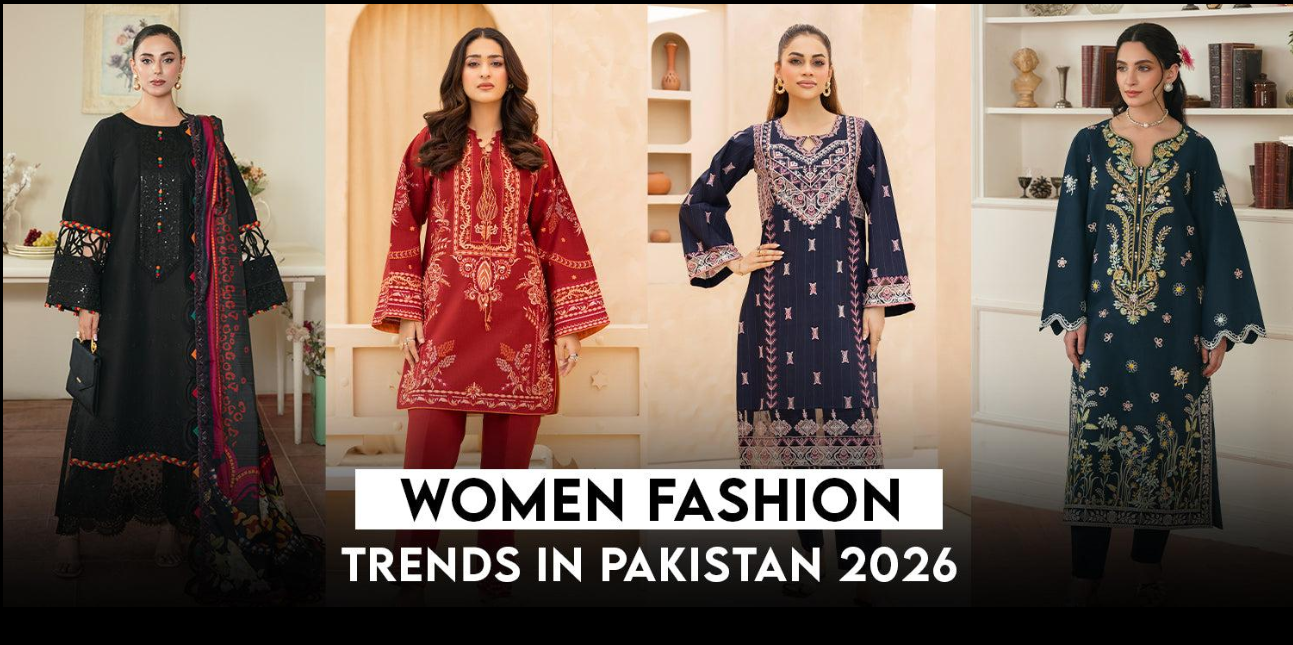
Latest Pakistani Fashion Trends 2026: The Ultimate Style Guide for Every Woman
Pakistan’s fashion ecommerce market is expected to grow by 10 to 15% in the next few years? With over 684,000 Pakistani Americans in the United States the demand for Pakistani fashion has never been greater. This guide is for anyone who loves the art of South Asian fashion, whether you’re a member of the diaspora, planning your wedding, or just someone who fell in love with it.
In 2026, Pakistani fashion will not be dominated by a single trend. It’s a conversation that is evolving, layered between centuries-old crafts and the sharp instincts of a newer generation. Designers create collections that are both timeless and urgently modern. The colors are deliberate. Silhouettes look cleaner. The embellishment is not scattered but placed precisely.
This guide will teach you which fashion trends are going to dominate Pakistan in 2026. You’ll also learn about the top Pakistani designers who are changing the industry. Gen Z is reshaping Pakistani traditional dress. It will show you what to wear to formal events and parties, as well as how to dress according to your body type.
TABLE OF CONTENTS
- The Big Picture: Fashion Trend in Pakistan in 2026
- Most Popular Pakistani Dress Styles This Year
- Top Pakistani Designers Setting the Agenda
- Gen Z Clothing Style in Pakistan: The New Rules
- Festive and Formal Wear: Party Dresses Pakistan
- Seasonal Trends: Summer Fashion and Beyond
- Fashion Accessories, Bags, and Footwear
- Leading Fashion Influencers in Pakistan
- Fashion Tips and Tricks: Dressing for Your Body Type
- Combining Traditional and Modern Styles
- Iconic Fashion Figures Who Shaped Pakistani Style
- Conclusion
1. The Big Picture: Fashion Trend in Pakistan in 2026
In 2026, Pakistani fashion will be defined by one powerful idea: meaningful restraint. After years of heavy embellishment and maximalist embellishment, the industry is now moving towards precision. Designers ask a different set of questions than five years ago. They ask “what’s absolutely essential?” instead of “how much more can we add?”
This is not an attack on tradition. It’s a refinement. It is still a work of art. Handwork is still a major attraction. The silhouettes have been cleaned up, the embroidery has been placed with precision, and the fabrics are selected for their movement as well as how they appear.
Three forces are simultaneously driving this change. The growing influence of Gen Z, who place a high value on authenticity and reject excess; the global diaspora, which needs pieces that can be worn in both Western and South Asian contexts; and the sustainability movement, which is pushing brands and buyers to prioritize quality over quantity.
Contemporary Fashion: The Core Aesthetic of 2026
Fashion in Pakistan today is a combination of two powerful forces – cultural pride and global awareness. The result is an outfit that will look great at both a Houston wedding and a Karachi roof-top dinner.
In 2026, the dominant aesthetic vocabulary will be clean necklines, architectural sleeves, and hemlines with a play on proportion. Dupatta style has become an art form. Women are using their dupattas in a variety of ways. They can wear them as belts or drape them over one shoulder. This creative interpretation keeps the cultural artifacts alive and gives them a new meaning.
The way color is treated has also changed. Many collections do not feature full color stories but instead focus on a single, hero shade that is accompanied by neutrals. From formal wear to lawn attire, ivory paired with a deep jewel tone can be seen on everything.
The Data Behind the Trends
According to 6W Research, the Pakistani ethnic clothing market will grow at a rate of 5.5% annually through 2026. According to ECDB, the country’s apparel retail market was $6.2 billion in 2022. The ecommerce share is expected to reach 40 to 45 per cent by 2026. These figures tell us that Pakistani fashion is no niche. The industry is global, and trends from Lahore, Karachi, and New York are closely watched.
2. Most Popular Pakistani Dress Styles This Year
In 2026, the most popular Pakistani style of dress will be the relaxed kurta with elongated sleeves worn over straight-cut or cigarette pants. The silhouette has been around for decades in different forms, but this latest version is different. The kurta has a longer length, whereas the cut and detailing are more deliberate.
The Salwar Kameez: Reinvented Again
In Pakistan, the salwar kameez is still the most important piece of clothing for women. It has undergone three distinct changes in 2026. The first change is that the silhouette has been relaxed. Fluid shapes, which allow for greater movement, have replaced the tighter cuts that were body-conscious. The fabric selection has also elevated everyday. In the pret segment, soft cotton voiles and handwoven linens have replaced synthetic blends. Trouser cuts have also changed. The wide-leg palazzo pant is now seen alongside the traditional shalwar. Tailored cigarette pants are the preferred pairing with the modern kurta.
This year, short and medium-length shirts have also gained popularity. Women are moving away from floor-grazing cuts of the past seasons and opting for knee-length or mid-calf silhouettes that feel modern and practical. These shorter lengths go well with slimmer trousers, and they show off embellished edges to great effect.
Sharara and Gharara: The Occasion Wear Comeback
The sharara, and its cousin the gharara, have returned to the conversation about occasion wear. The wide-legged, pleated silhouettes have a rich cultural history, but designers today have removed the heavyness that made them look like costumes. The shararas of today are made from lighter fabrics and feature restrained surface embellishments. They are also cut to flatter all body types. These sets photograph well, and that is important in this age of social media.
Fusion Wear and the East-West Dialogue
The fastest growing segment of fusion wear is among young Pakistani females, both in Pakistan as well as in the diaspora. Designers are going further than the classic fusion look of a kurta over denim. In 2026, we will see structured blazers made from traditional block-printed fabric, coordinated outfits that combine a handwoven blouse with tailored Western pants, and wrap skirts inspired by saris, styled with fitted tops.
This is especially relevant for Pakistani American women who are navigating between different cultural contexts. This fusion method creates outfits which feel authentically South Asian without the need for a formal South Asian ensemble.
3. Top Pakistani Designers Setting the Agenda
Pakistani fashion designers no longer design exclusively for the domestic market. These biggest names have established international distribution and attracted diaspora shoppers from New York to Birmingham. They are also discussed in global media. The top designers in 2026 are listed below.
Maria B: The Pioneer Who Keeps Evolving
Maria B has been compared to Coco Chanel in Pakistan. Her track record supports this comparison. She has grown a fashion empire since graduating in 1998 from the Pakistan Institute of Fashion Design. Her 25 stores are spread across 12 cities, and her export footprint reaches the United States and the United Kingdom. Her collections include couture, lawn, formal, and pret-aporter. Maria B’s ability to bridge Eastern and Western sensibilities is what keeps her relevant. Her 2026 collection emphasizes structural tailoring with embellishments that feel editorial and not bridal.
Sana Safinaz: Elegance as a Consistent Language
Sana Safinaz is a brand that represents understated luxury in Pakistan. It was founded by Sana Hashwani & Safinaz Munir in 1989. Their lawn collections are the color palettes of choice for the market. Their bridal couture sets the standard for elegant restraint. Sana Safinaz’s 2026 collection is a further step towards minimalism. It features fluid fabrics in soft colors, with embroidery that has been placed with architectural precision. Sana Safinaz offers the best choice for women who shop from the US and want to wear pieces that can be worn at formal or semi-formal events without feeling overdressed.
Elan by Khadijah Shah: Where Grandeur Lives
Elan is perfect for occasions that require presence. Khadijah’s designs feature cascading fabrics and vibrant palettes. They also have artisanal embellishments that feel like they were made by hand. The collections are infused with a sense of fantasy but have an underlying structure that is polished and couture-minded. Elan’s festive and bridal collections will continue to define luxury Pakistani fashion in 2026. Elan’s bridal and festive collections are perfect for dressing up as guests or brides at a Pakistani Wedding in the United States. They also photograph beautifully, adding the cultural significance the event deserves.
Asim Jofa: From Jewelry to Fashion Icon
Asim Jofa’s transformation from jewelry designer into a fashion powerhouse in Pakistan is one of the most remarkable stories to come out of the industry. His design sense is a jeweler’s: intricate surface work and thoughtful placement of embellishments, as well as an intuitive understanding of how light interacts on a garment. His 2026 collections, including formal wear and Eid apparel, are some of the most anticipated releases of the year. They sell out within hours after release.
Deepak Perwani: Bold and Boundary-Pushing
Deepak Perwani is a designer with a unique style. He can design menswear as well as womenswear and bridal couture. His aesthetic is more daring than many of his contemporaries. He will introduce fusion designs in 2026 that combine traditional geometric motifs with globally contemporary silhouettes. Perwani’s designs are for women who prefer Pakistani fashion to make a statement, rather than blend into an international wardrobe.
The Emerging Names: Hussain Rehar, Farah Talib Aziz, and MNR
Three names will be attracting international attention in 2026, beyond the established giants. Hussain Rehar injects personality and color into every collection. He pairs unexpected shades in a way that feels instinctive, rather than calculated. Farah Talib has established a loyal fan base among women who are looking for pieces that look like investment clothing, and that have a higher price tag due to the fabric quality or construction than because of embellishment. Mohsin Ranjha (MNR), a designer of some of the finest bridal couture on the market, is known for his restrained elegance. This resonates with brides from diaspora who are looking for cultural authenticity but without excessive theatricality.
Pakistani Designers vs. International South Asian Fashion: A Comparison
| Designer | Specialty | Price Range (USD) | Best For |
| Maria B | Pret and lawn collections | $80 to $350 | Everyday and semi-formal |
| Sana Safinaz | Formal and bridal | $200 to $1,200 | Eid and wedding guest |
| Elan | Luxury bridal and festive | $500 to $3,000+ | Bridal and premium occasions |
| Asim Jofa | Festive and formal | $150 to $800 | Eid and formal events |
| Hussain Rehar | Ready-to-wear and formal | $120 to $600 | Personality-driven occasions |
| MNR | Bridal couture | $800 to $4,000+ | Bridal and high-end formal |
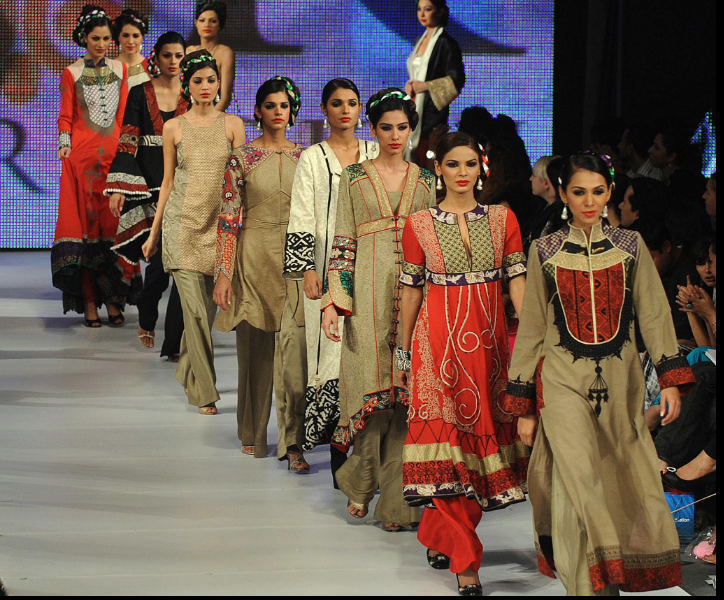
4. Gen Z Clothing Style in Pakistan: The New Rules
Three principles define Gen Z fashion in Pakistan: personal expression, cultural reclamation and comfort first thinking. Pakistani Gen Z, born between 1997 and early 2010, has grown up using TikTok and Instagram as their primary platforms for fashion education. They don’t passively absorb trends. They actively create them.
Cultural Reclamation Movement
The reclaiming of traditional clothing as an expression of identity, rather than an obligation, is one of the biggest shifts in Pakistani fashion among Gen Z. Hashtags such as #DesiAesthetic, #FusionWear, and #FusionWear are a common sight on Instagram and TikTok, with young Pakistani men and women pairing their mothers’ khussas and contemporary streetwear with jeans and creating looks which feel both global and deeply rooted.
This is a significant trend for the diaspora community in the United States. Gen Z Pakistani Americans are looking for garments that will allow them to embody both their culture and contemporary American life simultaneously. This negotiation is reflected in the fusion kurtas, embroidered denim jackets, and traditional fabrics reimagined into Western silhouettes.
Comfort as a Non-Negotiable
The Gen Z Pakistanis will not compromise comfort for style. It’s not laziness. This is a statement of values. The wardrobe of this generation is defined by relaxed silhouettes, natural materials, and practical designs. Demand for soft cotton blends, linens that breathe, and crinkle fabric is on the rise. The trend is to avoid tight embellished shapes that are difficult to wear. Instead, choose beautifully made pieces with a great feel.
Sustainability and the Anti-Fast Fashion Stance
The Gen Z generation in Pakistan is disillusioned by disposable fashion. Quality is more important than quantity for Gen Z consumers in Pakistan. They prefer to invest in items from artisans rather than fast fashion chains. This is in line with the broader Gen Z philosophy that can be seen on global markets. Instagram posts using hashtags such as #EcoFashion or #SustainableStyle grew 42 percent from 2025 to 2026. This shows how social media has accelerated the conversation about sustainable fashion. This often means that Pakistani Gen Z will repurpose family heirlooms or shop vintage Pakistani fashion, as well as choose smaller designer labels with transparent production.
5. Festive and Formal Wear: Party Dresses Pakistan
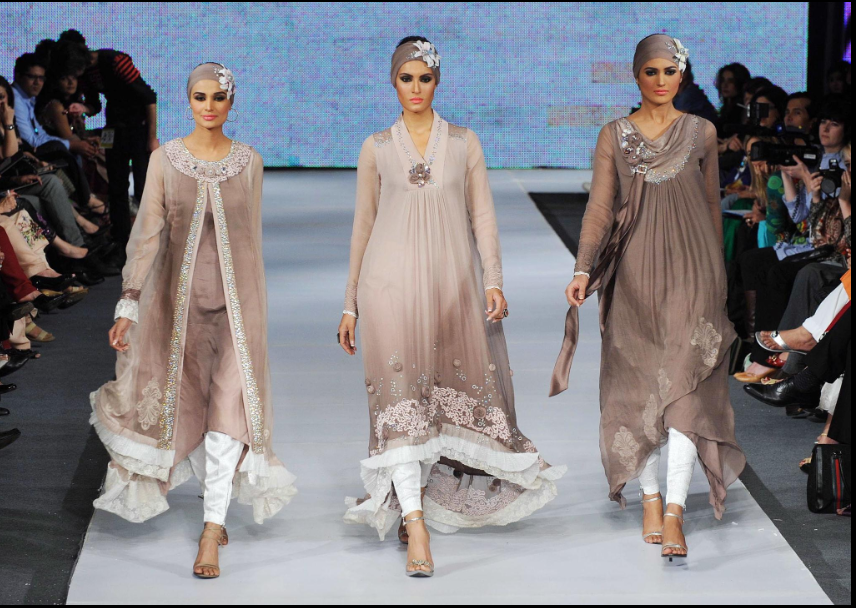
In 2026, party dresses in Pakistan will look very different than in previous years. It is no longer about maximalism and one-time wear, but rather investing in pieces that you can use for many occasions. Before purchasing formal attire, buyers are asking more questions. Can this be worn for more than one occasion? Can I change the style? Is the construction worth the price?
Eid and Wedding Season Dressing
In 2026, there are two main trends for Eid outfits. First, the deep jewel tones: rich burgundies and sapphire blues in heavily embellished fabrics are for those who wish their Eid outfits to be memorable and significant. Second, the pastel purity trend: powder blues and lilacs in lighter silhouettes.
The wedding season is changing as well. Brides and their guests are increasingly choosing outfits they can wear more than one time. Lehengas which can be worn separately after the wedding are becoming more popular. Also, bridal looks, which can be restyled or redraped, as well as shararas that match with different blouses, are becoming increasingly popular.
Formal Evening Wear and Gala Dressing
The floor-length angrakha, or a structured high-low-kurta worn with wide-leg trousers or sharara is the most popular silhouette for formal evening events. Designers tend to concentrate embellishments for formal wear on the neckline and cuffs, rather than spreading them out throughout the garment. Designers tend to concentrate embellishments for formal wear on the neckline and cuffs, rather than spreading them out throughout the garment. This makes a statement without overpowering the wearer.
Designers are now introducing structured taffeta and matte crepe for an architectural evening look. Women who prefer elegance over spectacle are increasingly drawn to the matte formal look as it is a departure from previous seasons’ highly lustrous and metallic looks.
What to Avoid in 2026 Formal Wear
No breathing space. Heavy embellishment all over. Dark colors are best for daytime occasions. Silhouettes which restrict movement to the point that they make it difficult for the wearer to enjoy their outfit. The three most common mistakes in formal wear are decreasing as Pakistani women place more emphasis on wearability than aesthetics.
6. Seasonal Trends: Summer Fashion
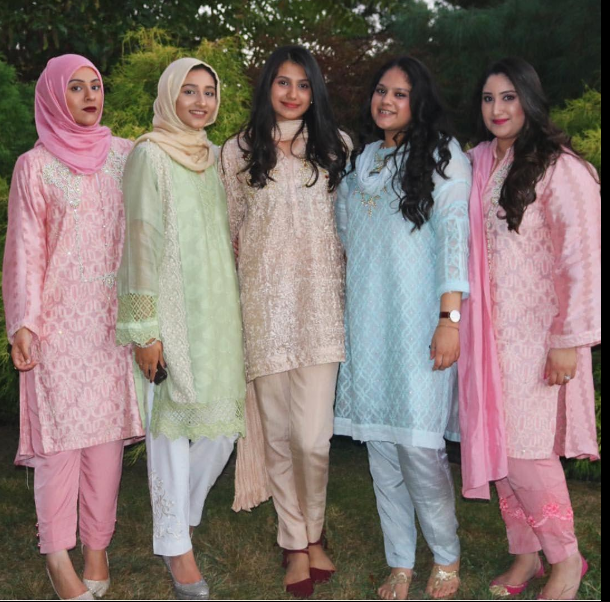
Pakistani summer fashion exists under unique constraints. The humidity in coastal cities is high, the temperatures are often over 40 degrees Celsius and the dress code demands modesty. Pakistani summer style solves these three problems without sacrificing fashion.
Lawn: The Fabric That Defines Pakistani Summer
The lawn is a finely-woven cotton fabric which acts like a second layer of skin when it gets hot. It is lightweight, breathable and digitally printed beautifully. The lawn collections are one of the most important commercial events on the Pakistani fashion calendar. Every season, the lawn collections of major brands are released to great consumer anticipation. Lawn prints will have changed in 2026. Digital printing allows for intricate color blends, layered details and complex geometric and abstract designs to be combined with traditional floral patterns.
In 2026, the most important trend for lawn will be minimal prints on solid or nearly-solid backgrounds. The dense, all-over prints of three years ago have been replaced by scattered motifs on ivory or white. This is a reflection of the wider cultural trend towards restraint and wearability.
Summ1er Silhouettes and Fabric Choices
Summer 2026 will see a growing interest in soft cotton Voile, textured Mul-mul and handwoven Khadi for semi-formal and casual wear. Air circulation is allowed by unlined kurtas and open front details. Short and medium-length shirts provide freedom of movement. Palazzo pants made of lightweight fabrics are a great alternative to heavier silhouettes.
Summer dupattas have also evolved. Summer styling in 2026 will favor sheer chiffon and net dupattas, in complementary colors, instead of heavier embroidered dupattas, which add warmth.
7. Fashion Accessories, Bags, and Footwear
Accessories can completely transform an outfit in Pakistan. In 2026, Pakistani fashion accessories will be more intentional: less pieces, selected with greater care and carrying a bigger impact.
Jewelry: Statement Pieces Over Layered Looks
Maximalist jewelry stacking is a thing of the past. One strong piece of jewelry is allowed to dominate the look. One pair of chandelier Jhumkas to go with a more understated look. A cuff with an architectural design worn with a minimalist ensemble. Kundans in warm gold shades remain the most popular formal jewelry. Oxidized silver pieces, however, are becoming more popular for semi-formal and casual settings.
American Pakistani women are particularly interested in pieces that can be worn in different contexts. For example, jhumkas work equally well at a New York art gallery opening or a Pakistani marriage. Oxidized cuffs go with both a shalwar Kameez and tailored trousers.
Bags: The East-West Crossover
In bags, Pakistani fashion is most influenced by international style. Potli bags with embellished fabrics are essential for formal and celebratory events. The bag story is growing. In 2026, the market will be flooded with structured minaudiere clutches made from hand-crafted fabrics in Pakistan, wicker totes with embroidered panels and leather bags with traditional block prints. In Pakistani fashion, the bag is not just functional. It’s a statement of style.
Footwear: From Khussas to Contemporary Heels
In 2026, Pakistani footwear will experience a renaissance. The khussa is a handmade leather shoe that has embroidered or embellished uppers. It has found a new audience around the world. International fashion editors have showcased khussas with Western styling, and Pakistani artisans respond with updated colors and cleaner silhouettes. They wear them as easily with jeans or a shalwar Kameez.
In addition to khussas and block-heeled mules in gold or nude, embellished kitten heeled shoes are also popular. Comfort will be the driving force behind footwear choices in 2026, more so than any other year in recent memory: dramatic stilettos will lose ground to gorgeous shoes that you can wear through a 5-hour wedding.
| Occasion | Recommended Footwear | Recommended Bag |
| Casual daily wear | Flat khussas or sandals | Block print tote |
| Semi-formal gathering | Block heel or kitten heel | Embellished potli or structured clutch |
| Formal wedding event | Embellished heels or strappy sandals | Minaudiere or embellished potli |
| Eid prayers and family visit | Embroidered khussas | Small embellished sling |
8. Leading Fashion Influencers in Pakistan
Pakistani fashion influencers are shaping trends faster than traditional fashion week cycles allow In Pakistan, social media personalities are driving commercial outcomes. Major brands have built launch strategies based on influencer seeding instead of traditional editorial coverage.
Mahira Khan and Hania Amir: Celebrity Trendsetters
Mahira Amir and Hania Khan occupy a unique position, combining celebrity status with true fashion authority. Their clothing choices drive immediate traffic to search engines and generate e-commerce. Mahira Khan’s outfits are sold out in days when she is photographed wearing a particular designer at a special event. Both celebrities are well-known to Pakistani diasporas in the United States. They can be powerful ambassadors of Pakistani fashion for international audiences.
New Wave of Digital-First Influencers
Beyond the established celebrities is a new generation of digitally-first creators who are reshaping Pakistani Fashion discourse. These micro-influencers, content creators, and digital natives don’t wait for brand partnerships before announcing their aesthetic. These creators are engaging audiences with their authentic style perspective, brand critique, and cross cultural fashion education. These creators can be the best guides for diaspora audiences because they share the same cultural dualities.
In 2026, the most influential Pakistani fashion influencers will be those who demonstrate genuine style intelligence and not just model sponsored content. Audiences are able to distinguish between paid and authentic performances.
9. Fashion Tips and Tricks: Dressing for Your Body Type
It is important to understand how Pakistani fashion translates across body types in order to build a wardrobe which flatters you rather than just following the latest trend. These principles are based on evidence and will help you approach Pakistani fashion intelligently, regardless of your body shape.
For Petite Frames
The silhouette of a high-waisted trouser or salwar that lengthens the leg is best for petite women. The proportion is created by medium-length kurtas which hit just above or at the knee. Avoid wearing palazzo pants in heavy fabrics that are extremely wide. They can overwhelm smaller frames. Your best asset is vertical embellishment lines, which draw the attention upwards and downwards rather than horizontally.
For Curvy and Full Figures
Pakistani fashion, in my opinion, is better suited for curvy figures than most Western clothing. Pakistani fashion is characterized by fluid silhouettes, generous cuts and natural grace. Universally flattering is the elongated A line kurta, with its fitted bodice and flared bottom. Straight-leg pants with a relaxed Kurta creates elegant proportions. You can choose to place embellishment at the neckline or hemline, rather than in the middle.
For Tall Frames
The more dramatic silhouettes in Pakistani fashion can be worn by taller women with ease. The floor-length ghararas and shararas, which may be overwhelming for shorter women, can become architectural statements when worn by taller women. Wide sleeves, dramatic dupattas, and bold colors all work. For tall women, proportional elongation may feel extreme. To avoid this, hemlines with clear horizontal breaks will help to ground the look.
For Straight or Athletic Frames
Fabric and construction are the key to creating curves in Pakistani fashion. Kurtas that have angled hemlines and side panels of contrasting colors as well as subtle embellishment on the hip area suggest shape. Angrakhas are ideal because of their inherent design that defines the waist. Avoid boxy silhouettes that lack waist definition as they can make athletic frames look formless.
10. Combining Traditional and Modern Styles
Combining traditional and modern elements is today’s most sophisticated way to approach Pakistani fashion. It’s not just about adding a pair of sneakers to a kurta for shock value. This is not about wearing a kurta with sneakers for shock value.
The Foundational Principle
A successful East-West Fusion outfit is based on the principle that one element anchors the cultural identity while the other updates it to a contemporary context. A traditional kurta with intricate embroidery paired up with tailored wide-leg pants in a neutral complement is a successful East-West fusion. The traditional piece owns it and the modern trouser frames the look without competing. A fully Western outfit, with only one small embellished item as a cultural reference, can also work well in more casual settings.
Specific Combinations That Work
A top with intricate embroidery worn over jeans cut straight in an indigo-colored complementary color. Traditional block-printed scarf worn over a knitted top and pants. A contemporary silk sharara paired with a fitted Turtleneck instead of a traditional top. Khussas with a linen suit. These combinations are successful because they respect the two elements and don’t treat one like a joke on the other.
What Authentic Fusion Looks Like
Women who are the best at fusion dressing in Pakistan and Pakistani America are those who have a deep understanding of both cultures to be able to break rules with intelligence. They don’t follow a formula. They edit. If the combination is a good one, then it will make you feel beautiful and confident. It should also reflect a genuine aesthetic intention, rather than a costume-like exoticizing.
11. Iconic Fashion Figures Who Shaped Pakistani Style
The current level of sophistication in Pakistani fashion was not achieved overnight. The industry was created by a group of designers, stylists and cultural figures, who took risks to make it a creative force.
HSY is arguably Pakistan’s most internationally recognized fashion designer. He has dressed celebrities and staged fashion shows beyond Pakistan’s borders. He made the case that Pakistani fashion was worthy of international attention before the industry could support this ambition. His bridal couture, formal wear and evening gown collections are the benchmarks for Pakistani luxury.
Bina Khan, a fashion journalist and editor, has been a major influence on the way Pakistani fashion has been discussed and evaluated over many decades. Her work helped establish a culture in Pakistan of fashion criticism, rather than just brand celebration.
Umar Sayeed added intellectual rigor and a new level of sophistication to Pakistani craft. He designed collections that treated the handwork as a fine art, elevating the conversation about the preservation of craft in the fashion world.
The foundation of today’s designers, consumers and designers is built on these figures.
Conclusion: What the Latest Pakistani Fashion Trends Tell Us
The latest Pakistani Fashion Trends in 2026 reveal a culture which has gained its confidence. Pakistani designers no longer seek validation from international fashion capitals. They are creating an industry in their own image, with their own aesthetics, for a global market that is sophisticated enough to appreciate their work.
Three important things to take away from this guide:
Quality and intention win over excess and quantity. If you’re looking to buy bridal couture or lawn pret, you should look for pieces that are genuine and not just a way to try out every trend at once.
The Gen Z movement of cultural reclamation is also giving new life to traditional Pakistani clothing. Fusion styling does not compromise Pakistani fashion. It has expanded its reach and relevance.
Third, the Pakistani Diaspora Market in the United States as well as globally has become a major force in the direction of the industry. Designers create for women who are navigating multiple cultural contexts. The result is Pakistani Fashion that is more versatile and universally wearable.
Start by investing in a single piece of Pakistani fashion from one designer listed in this guide. Learn what makes them unique. Start there.