Beauty and Cosmetics: The Ultimate Guide to Products, History, and Trends (2026)
Statista estimates that the global beauty industry will surpass $650 billion in 2026. This is more than just a figure. This means that millions of Americans wake up each morning and reach out for a product to make them feel more confident and polished.
This guide is for anyone who wants to know what’s in the cosmetics on their bathroom shelf. It could be a first time buyer, someone looking into wholesale cosmetics, or a business owner.
This guide will teach you the history of beauty, cosmetics, and personal care, as well as how online sellers can fulfill their orders. You’ll also learn how the cosmetics industry works and how the latest trends are shaping the industry.
Table of Contents
- What Are Beauty and Cosmetics? A Clear Definition
- Beauty and Cosmetics in Ancient Egypt: Where It All Began
- The Modern Beauty and Cosmetics Market: Size, Trends, and Data
- How to Choose the Right Beauty and Cosmetics Products for You
- Wholesale Cosmetics and Beauty Products: A Complete Buyer’s Guide
- Beauty Cosmetic and Personal Care: Understanding the Full Category
- Cosmetics and Beauty Fulfillment: What Online Sellers Need to Know
- FAQ: People Also Ask About Beauty and Cosmetics
- Conclusion
What Are Beauty and Cosmetics? A Clear Definition
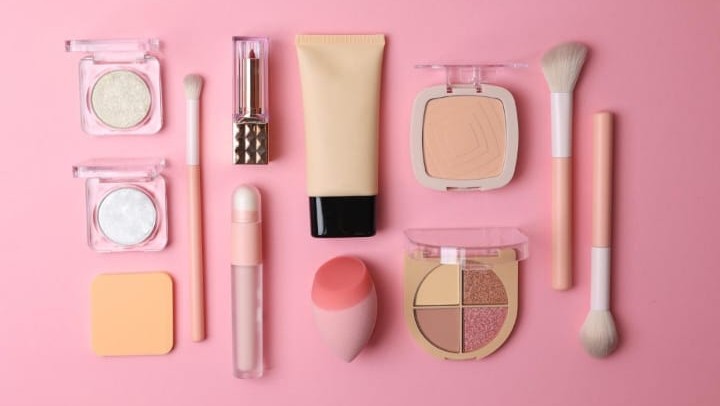
Beauty and cosmetics is a broad term that refers to products used to enhance, protect and change the appearance of the body. It includes foundation, lipstick, moisturizer, sunblock, hair care products and fragrance.
According to the U.S. Food and Drug Administration, a cosmetic is any product that can be applied directly to the skin to cleanse, beautify, promote attractiveness or change appearance. This definition includes thousands of products sold every day across the United States.
The Difference Between Beauty Products and Cosmetics
There is a difference between the terms “beauty”, “cosmetics”, and “beauty”. Cosmetics are products that are applied to the skin and body to achieve aesthetic effects. Examples include mascara, blush and concealer. Beauty products are a broad term that includes skin care, hair care and nail care items.
Consider it this way. Not all beauty products and cosmetics are the same. A shampoo is considered a beauty product. A lipstick is a beauty and cosmetic product.
How the FDA Classifies Cosmetics and Personal Care
The FDA distinguishes cosmetics and drugs. Some products, which are often marketed as “cosmeceuticals”, fall into a gray zone. One example is sunscreen with SPF. It is regulated by the FDA as an OTC drug, because it claims to reduce skin cancer risk and prevent sunburn. A moisturizer that does not contain SPF is considered a cosmetic. When you read labels and make purchasing decisions, this distinction is important.
Beauty and Cosmetics in Ancient Egypt: Where It All Began
Ancient Egyptian beauty and cosmetics are among the oldest documented cosmetics. Ancient Egyptians did not simply adopt beauty rituals. The ancient Egyptians were pioneers in the beauty industry, developing formulations, tools and philosophies that are still used today.
Kohl, Oils, and the Eye of Horus
Among the most famous cosmetics associated with ancient Egypt, kohl is a dark substance that was used to line eyes. Archaeologists and historians have discovered kohl containers, as well as applicator sticks, dating back to the 3100 BCE. Both men and woman used kohl for both beauty and protection. It was thought that the dark pigment around the eyelids would reduce the glare of the desert sun, and also ward off bugs and infections.
Castor oil, sesame oils, and animal fats were also used by ancient Egyptians to moisturize and treat hair. Red ochre, an early form of lipstick and blush, was applied to the lips and cheeks. Henna dyed hair and nails. These were not primitive attempts to be beautiful. These were not primitive attempts at beauty. They were sophisticated formulations, made with natural ingredients.
Cosmetics as a Symbol of Social Status and Religion
Cosmetics and religion were closely linked in ancient Egypt. Horus’ eye marks were a reflection of the kohl used by priests and Pharaohs. Cosmetics were used as an act both of worship and vanity.
The wealthy Egyptians kept their cosmetics in jars made of ivory and alabaster. Archaeologists found complete cosmetic sets, including mirrors and combs as well as perfume vases and pigment palettes in tombs. It is clear that Egyptians thought the dead would still need beauty products after death.
Cleopatra and Queen Nefertiti are probably the two most well-known examples of Egyptian beauty. Cleopatra was known for using rose water, almond oils, and Dead Sea Salt in her skincare regime. Modern wellness brands continue to market these practices today.
The Legacy of Ancient Egyptian Beauty on Today’s Industry
Most people don’t realize how direct the influence of ancient Egyptian beauty and cosmetics on today’s market has been. Every drugstore is flooded with eyeliners inspired by kohl. Castor oil is a staple of natural beauty. Grand View Research estimates that the clean beauty industry will be worth $11.6 billion by 2024 in the U.S.
Understanding the history of products helps modern consumers and professionals appreciate what they use or sell on a daily basis.
The Modern Beauty and Cosmetics Market: Size, Trends, and Data
Beauty and cosmetics is one of most dynamic and resilient sectors in the world economy. The industry continued to grow during recessions. This is a phenomenon that economists call the “lipstick-effect,” where consumers continue to buy small luxury beauty products even when their budgets are tightened elsewhere.
U.S. Market Size and Growth
Statista estimates that the U.S. personal care and beauty market will generate approximately $100 billion in revenue by 2023, and $114 billion in 2027. Skincare is followed by haircare and makeup.
E-commerce has changed the way Americans purchase beauty products. McKinsey’s 2024 report found that more than 50% of U.S. purchases for beauty products are now done online. This is up from just 28% in 2019 This shift has led to an increase in demand for cosmetics fulfillment solutions and beauty products that can keep up with the direct-to consumer brands and marketplace sellers.
The Clean Beauty Revolution
The shift to clean, sustainable, and natural cosmetics is one of the most important trends in the decade. The American consumer is increasingly reading the labels of cosmetics and beauty products and avoiding chemicals that they consider harmful, such as parabens and sulfates.
Over 1 million searches are made per month in the Environmental Working Group (EWG) Skin Deep Database, which ranks cosmetic ingredients according to safety. This number shows that consumers are more informed and demanding today than ever before.
Inclusivity and the Expansion of Shade Ranges
Rihanna’s Fenty Beauty launched in 2017 and featured 40 shades of foundation. It sent shockwaves throughout the industry. Consumers began to pressure brands that previously offered only 10 to 15 foundation shades to expand their range. By 2024 the industry standard had changed dramatically. The majority of major cosmetics and beauty brands offer between 30 to 50 shades. Some even have over 60.
The marketing reflects this shift. The brands actively promote models with diverse skin tones and ages. This is a significant change for American consumers, who were historically underserved.
Technology and Beauty: AR, AI, and Personalization
Brands like L’Oreal, Sephora and others offer AR try-on tools that allow customers to virtually test beauty and cosmetic products before purchasing. Artificial intelligence can be used to create customized skincare routines using skin analysis photos. Personalized beauty has become a necessity. It’s quickly becoming the standard expectation, particularly among Gen Z and Millennial consumers
Beauty Industry Comparison Table: Key Segments in the U.S. Market (2024)
Segment | Estimated U.S. Revenue (2024) | Growth Rate (YoY) | Top Purchase Channel Skincare | $24.4 billion | 6.2% | Online Haircare | $18.9 billion | 4.8% | In-store Makeup/Color Cosmetics | $16.3 billion | 5.1% | Online Fragrance | $9.7 billion | 7.4% | In-store Personal Care | $30.2 billion | 3.9% | Both
Sources: Statista 2024, Grand View Research 2024, McKinsey Beauty Report 2024
How to Choose the Right Beauty and Cosmetics Products for You
The sheer number of cosmetics, beauty products and fragrances available at all price points can make it difficult to choose the best one. This section breaks the decision down into manageable, clear steps based upon skin type, ingredients and intended use.
Understanding Your Skin Type First
You need to know what type of skin you have before spending any money on cosmetics and beauty products. The most important thing to consider when choosing products is your skin type. Normal, combination, oily and sensitive skin types are the five most common.
For oily skin, lightweight gel moisturizers and foundations that are non-comedogenic with no oils will be best. Cream-based formulations are best for dry skin, with ingredients such as hyaluronic, ceramides and shea butter. Sensitive skin requires fragrance-free, dermatologist-tested formulations. Combination skin is dry in other areas and oily around the T-zone. It responds best to balanced formulations that moisturize without adding shine.
You can use a simple test to determine your skin type. Wash your face gently, wait an hour, then apply nothing. You are probably oily if your skin is shiny. You are likely dry if it feels tight or flaky. Combination is when some areas feel tight and others are shiny.
Reading Cosmetic Ingredient Labels
All beauty and cosmetics sold in the U.S. must list their ingredients in order of concentration. The majority of the product is made up of the first five ingredients. If water comes first and fragrance second, the product will be mostly water with an intense scent.
The key ingredients to look for are hyaluronic for hydration and niacinamide, for brightening and pore minimization, retinol, for anti-aging, cell turnover and vitamin C, for dark spots, glow and sun protection.
Some ingredients to be cautious of include synthetic fragrances (a common allergy) and alcohol denat (can be drying).
How to Build a Simple Beauty Routine
Basic skincare in the personal care and beauty industry does not have to be complex. For morning: cleanser, toner (optional), serum, moisturizer, SPF. For evening: Makeup remover (if applicable), cleanser, serum, or treatment, moisturiser.
Add more products only after you have a better understanding of how your skin reacts. It is impossible to determine what products are causing or helping a skin reaction when you introduce too many at once.
Drugstore vs. High-End Cosmetics: Is There a Real Difference?
The answer to this question is sometimes yes and sometimes no.
High-end brands use more active ingredients and often a refinedr texture, as well as longer-lasting formulas. In independent tests, many drugstore products performed identically to their luxury counterparts. Consumer Reports, Allure Magazine and other publications regularly place drugstore concealers over prestige products.
Packaging, fragrance complexity, and brand experience are the most important differences. Prioritizing high-quality skincare products (cleanser and moisturizer) over expensive color cosmetics can be a good strategy if budget is an issue. Skincare is good for your skin. Makeup is applied on top.
Wholesale Cosmetics and Beauty Products: A Complete Buyer’s Guide
Wholesale cosmetics and beauty product buyers include salon owners, estheticians, boutique retailers, online resellers, subscription box companies, and more.buying is the practice of purchasing large quantities of products at a discount and then reselling at retail prices.
Who Buys Wholesale Cosmetics and Beauty Products?
Wholesale buyers can be divided into several different categories. Independent beauty retailers that stock their shelves with a carefully curated product selection. Salon and spa owners in need of professional cosmetics and beauty products. Reselling is the business model of e-commerce platforms such as Amazon, Etsy and Shopify. Subscribers receive curated beauty products every month in a box. Makeup artists needing professional products at affordable prices.
It is important to understand your category because wholesale suppliers cater for different types of buyers. A wholesaler that sells to professional salons will operate differently than a wholesaler of general merchandise.
Top Sources for Wholesale Cosmetics in the U.S.
The American wholesalers use a variety of platforms and directories.
Faire is an online B2B marketplace that connects boutique retailers with independent beauty brands. Qualified buyers can place orders as low as $100 and pay net-60 terms.
Beauty Joint, a wholesaler based in Los Angeles, specializes in selling name-brand cosmetics up to 80% less than retail. One of the best-known wholesale suppliers for cosmetics and beauty items in the U.S., Beauty Joint is a Los Angeles-based wholesaler that specializes in name-brand products at up to 80% below retail.
Alibaba and DHgate are great platforms for connecting American buyers to international manufacturers. This is especially true when it comes to private-label beauty and cosmetics products. Although prices are lower, independent testing and due diligence is required to ensure quality.
Cosmetics Now and TSC Beauty, two additional wholesale platforms in North America, cater to professionals and resellers.
How to Evaluate a Wholesale Cosmetics Supplier
Wholesale suppliers are not all the same. Be sure to evaluate five key areas before committing.
Product authenticity: Has the supplier been authorized to sell brands that they carry? The wholesale market is plagued by counterfeit cosmetics. The FDA has warned about fake cosmetics that contain lead, bacteria and unlisted chemicals.
Minimum order quantities: What’s the smallest amount you can order? For new buyers, lower MOQs reduce financial risk.
Return and refund policy: Most reputable suppliers provide clear returns policies, particularly for damaged or defective goods.
Lab testing and safety documents: Ask for a Certificate of Analysis when purchasing private-label products or manufactured cosmetics. Also, confirm that the product is in compliance with FDA regulations.
What are their shipping and fulfillment timelines? How reliable are they in terms of logistics and delivery? When you’re managing the customer expectations of an ecommerce store, this becomes crucial.
Private Label Cosmetics: Building Your Own Brand
Private labeling is one of the fastest growing segments in wholesale cosmetics and beauty product. Private-label suppliers manufacture a product you can brand as yours. You select the name, formula, and packaging.
According to an IBISWorld 2024 report, the U.S. market for private-label products is expected to grow at 7% per year. This model has helped beauty brands grow from kitchen tables and college dorms to multi-million dollar companies.
You need to find a manufacturer who is compliant, work with a designer on the packaging, register claims for your brand with FDA guidelines, and create a direct-to consumer sales channel.
Beauty Cosmetic and Personal Care: Understanding the Full Category
Beauty cosmetics and personal care is a broad term that covers all products designed to benefit the human body. The FDA, retail classification systems, and industry analysts use it as a broad term to include everything from sunscreen to shampoo.
The Five Pillars of Personal Care
Skincare includes products that cleanse, moisturize and protect skin. This includes cleanser, toner, serums moisturizers masks eye creams and sunscreen. In the United States, skincare is the fastest growing segment of the beauty cosmetics and personal care industry.
Haircare products include shampoos, conditioners and styling products. Statista estimates that the U.S. market for haircare will be worth $18,9 billion by 2024. Natural hair has led to a significant increase in the use of textured hair care products. Brands like SheaMoisture, Pattern Beauty and SheaMoisture are leading this growth.
Color cosmetics (also known as makeup by most people) includes foundation, concealer powder, blush, bronzer and highlighter, as well eyeliner, lip color, eyeliner, eyeliner and mascara. This is the category that most people associate with the term “cosmetics.”
Fragrance is perfume, body mists, scented lotions, and eau de toilette. The U.S. fragrance market is expected to reach $9.7 billion by 2024, and continue to grow. This growth will be primarily driven by the niche and artisan segments.
Deodorant, bodywash, soap, tooth paste, and shaving cream are all personal hygiene products. This segment is less glamorous than cosmetics, but it represents a significant and stable part of personal care expenditure.
Men’s Beauty and Personal Care: A Fast-Growing Segment
According to Allied Market Research the U.S. market for men’s grooming was valued at $10,2 billion in 2024. It is expected to grow with a compounded annual growth rate (CAGR), of 5.4%, through 2032.
Men are becoming more interested in their skincare routines. They use tinted moisturizers and eyebrow grooming products. Stryx, War Paint and other brands target men specifically with cosmetics that are designed to provide subtle everyday coverage. This market represents a significant opportunity for beauty and cosmetics retailers.
Cosmetics and the Cosmetica Beauty and Barbering Academy
Cosmetica Beauty and Barbering Academy, for example, plays a crucial role in educating the next generation. These schools combine practical training with business education to teach students how to not only apply cosmetics, but also how to build clientele, understand product components, and run a business ethically.
Depending on the state, accredited cosmetology training programs in the U.S. can range between 1,000 and 1,600 hours. Graduates can work as licensed estheticians and makeup artists. They also manage salons. According to the U.S. Bureau of Labor Statistics, employment in the personal-appearance industry is expected to grow by 8% between now and 2032. This growth rate is faster than average.
Formal education is essential for anyone who wants to pursue a career in beauty and cosmetics. It provides the knowledge and credentials necessary to be successful in this competitive and regulated industry.
Cosmetics and Beauty Fulfillment: What Online Sellers Need to Know
Cosmetics and Beauty Fulfillment is the process of picking, packing and shipping cosmetics and beauty products to customers. Fulfillment has become an increasingly important operational challenge as the online beauty industry grows. This is true for small businesses as well.
Why Beauty Fulfillment Is Uniquely Challenging
Beauty and cosmetics present unique fulfillment challenges, which set them apart. Temperature sensitivities are a concern. When exposed to extreme temperatures during storage and shipping, many skincare products, lipsticks and cream-based makeup can melt, separate or degrade. Many products require cold storage or climate controlled warehousing.
Compliance with regulatory requirements adds a new layer of complexity. Cosmetic products must be labeled according to FDA regulations, and any product that makes drug-like statements is subject to additional regulation. To avoid selling expired products, it is important to manage returns and expired inventory.
Another reality is fragile packaging. Glass bottles, palettes containing mirrors and powder-pressed items require special packaging to protect them from damage during transport. Damaged products lead to returns, complaints and negative reviews, which harm the brand’s reputation.
Third-Party Logistics (3PL) for Beauty and Cosmetics
Online beauty sellers often partner with third party logistics providers who specialize in cosmetics fulfillment. These providers provide warehousing and order management services, as well as kitting and shipping services that are tailored to meet the needs of beauty brands.
The key features of a beauty-specific 3PL are climate-controlled storage and experience in handling cosmetics that comply with FDA regulations. They should also be able to handle subscription boxes kitting and have fast shipping integrations for Shopify, WooCommerce and Amazon.
ShipBob (FBA), Fulfillment by amazon (FBA) and ShipMonk are popular 3PL providers that serve the U.S. Beauty market. Each offers different strengths depending on order volumes and product types.
In-House vs. Outsourced Fulfillment for Beauty Brands
In the beginning, small beauty brands often fulfill orders in-house at home or from a small studio. This is fine for small order volumes, but it becomes unsustainable once you reach 100-200 orders per month.
When monthly orders reach a certain threshold, outsourcing to a 3PL becomes more cost-effective. Losing direct control of packaging and presentation is a trade-off, especially for beauty brands that are known for their unboxing experience.
Many growing brands choose a hybrid model where they handle small or local orders themselves and outsource large marketplace orders to 3PLs.
Subscription Box Fulfillment for Beauty Products
Birchbox, Ipsy and other brands that pioneered the beauty subscription box concept require highly specialized fulfillment. Each box needs to be stocked with specific products, packaged attractively and shipped monthly with no margin for error.
Millions of boxes are shipped each year by beauty subscription box companies. Ipsy alone is responsible for shipping over 3 million beauty subscription boxes per month in the U.S. They are masters of scale in cosmetics and beauty logistics.
Working with a 3PL with experience in subscription timelines and dedicated kitting lines is a must for brands who enter this market. It’s essential.
Conclusion
The beauty and cosmetics sector is one of the most dynamic and historically significant sectors in the economy. Beauty and cosmetics has always been a reflection of who we are, and who we want to be.
This guide has three key points: Knowing your skin type, and reading the labels of ingredients are two powerful tools that any beauty consumer should have. The wholesale market for cosmetics and beauty items offers many opportunities to entrepreneurs who are diligent in their research on FDA compliance and supplier verification. Third, the beauty cosmetics and personal care market is growing rapidly, driven by ecommerce, inclusivity and clean beauty trends. There has never been a greater time to enter this industry as a professional, or just become more informed.
Whether you are building a beauty brand, exploring a career in cosmetology, sourcing wholesale cosmetics and beauty products, or simply trying to find the right moisturizer, the knowledge in this guide puts you ahead of the curve.
Start with what you know, apply what you have learned, and revisit this guide whenever you need a trusted reference in the world of beauty and cosmetics.