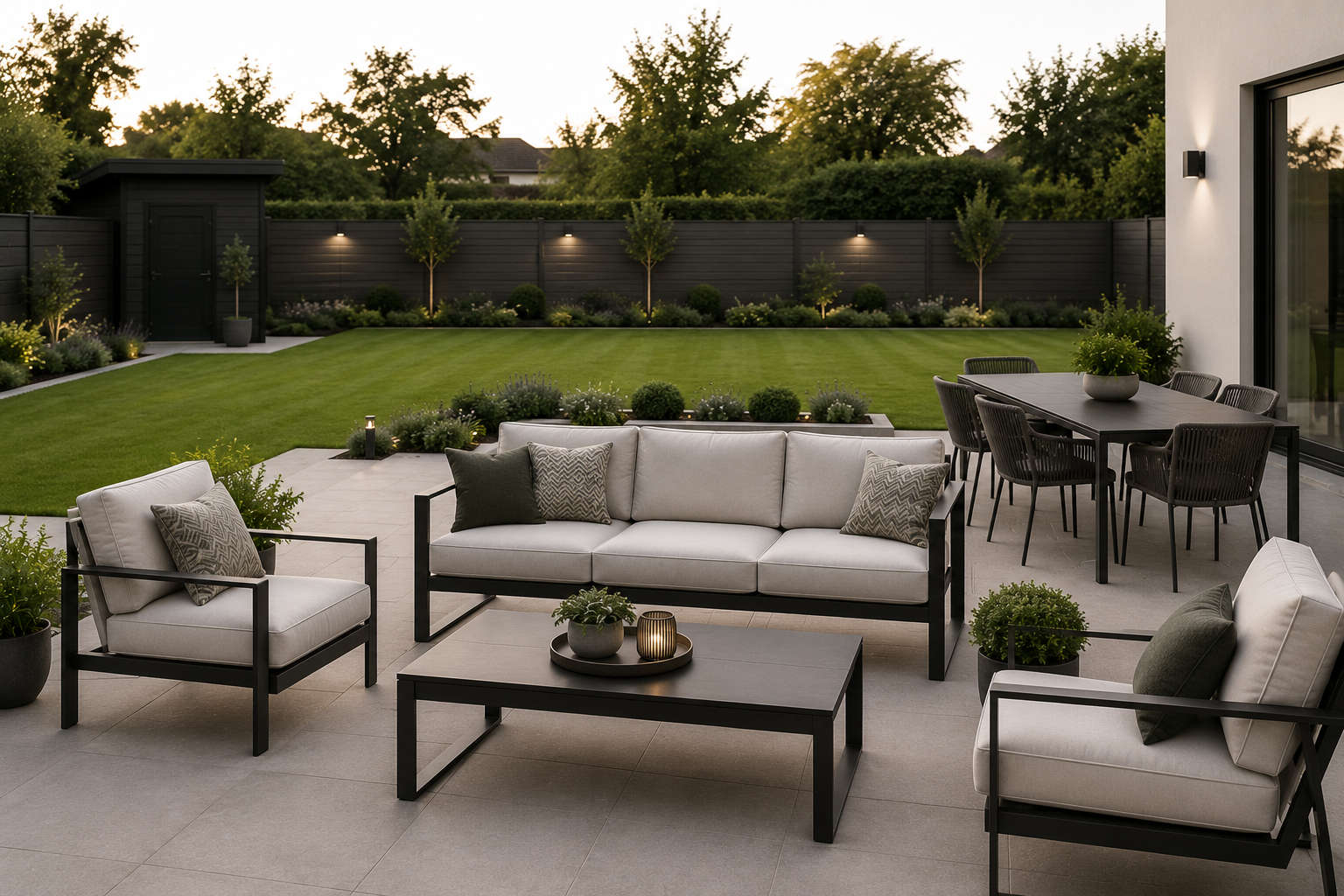
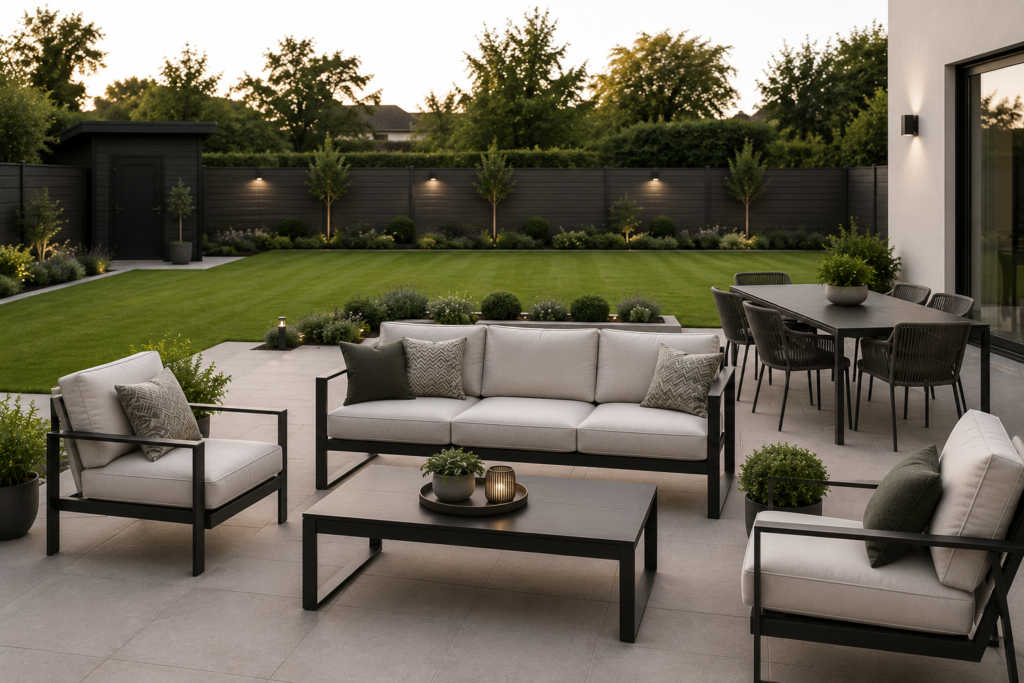
Did you know that the U.S. outdoor furniture and kitchen market was valued at $8.77 billion in 2025 and is expected to nearly double to $16.92 billion by 2033? Americans are not just buying chairs and tables anymore. They are building entire outdoor living rooms, dining spaces, and entertaining zones. The idea of lifestyle patio furniture has completely changed how homeowners think about their backyards, decks, and patios.
Lifestyle patio furniture is outdoor furniture designed to match how you actually live outdoors, whether that means hosting weekend dinner parties, lounging with coffee on Sunday mornings, or creating a play area the whole family uses. It goes beyond function. It reflects your personality, your space, and your daily habits.
In this guide you will learn how to choose the right patio furniture sets for your space, which materials last the longest in different climates, how to create stunning outdoor seating arrangements, what the top backyard furniture ideas look like in 2026, and how to care for your investment so it lasts for years.
Table of Contents
- What Is Lifestyle Patio Furniture and Why Does It Matter?
- What Are the Different Types of Patio Furniture?
- How to Choose the Right Outdoor Living Furniture for Your Space
- Best Patio Furniture Materials Compared
- How Do You Design Outdoor Seating Arrangements That Actually Work?
- Alfresco Dining Sets and Outdoor Entertaining Furniture
- Garden Lounge Furniture and Deck Furniture Collections
- How Do You Care for and Protect Your Patio Furniture?
- FAQ: People Also Ask
- Conclusion
What Is Lifestyle Patio Furniture and Why Does It Matter?
Lifestyle patio furniture refers to outdoor furniture collections specifically curated to support how a person or family lives and entertains outside. It is not a single product. It is a philosophy of outdoor design that aligns your furniture choices with your actual daily routines, aesthetic preferences, and the physical layout of your space.
For decades, most Americans treated the backyard as an afterthought. A plastic chair here, a folding table there. That approach has shifted dramatically. According to the International Casual Furnishings Association (ICFA), 71% of Americans reported spending more time outside in recent years, averaging nearly 7 hours per day outdoors. On top of that, 63% said they planned to upgrade their outdoor furniture in the same period. These numbers show that outdoor living furniture has become a serious investment, not an afterthought.
Consequently, the category of lifestyle patio furniture has grown to include everything from sectional sofas and alfresco dining sets to fire pit lounges and modular garden lounge furniture. The shift is real, and it is reshaping how homeowners approach their outdoor spaces from the ground up.
There is also a financial reason to pay attention here. Outdoor spaces that are well-furnished and designed have been shown to increase perceived home value. Real estate professionals consistently note that a thoughtfully designed patio or deck is among the top features buyers look for in a home. Therefore, investing in good outdoor entertaining furniture is not just about comfort. It is a smart long-term decision for your property.
What Are the Different Types of Patio Furniture?
Understanding the types of patio furniture is the foundation of any smart outdoor design decision. There are several main categories, and each serves a distinct purpose. Knowing which one fits your lifestyle will save you time, money, and regret.
Outdoor Dining Sets and Alfresco Dining Sets
Outdoor dining furniture is the single largest segment in the U.S. market. It was valued at $5.7 billion globally in 2025, according to Grand View Research. An alfresco dining set typically includes a table and four to eight chairs designed for outdoor meals. These sets come in a wide range of styles, from farmhouse-inspired teak tables to sleek modern aluminum frames with woven rope chairs.
The key distinction between a basic outdoor dining set and a lifestyle-focused alfresco dining set is the level of comfort and durability. Lifestyle sets usually include deep cushions with weather-resistant fabric, easy-clean tabletops like tempered glass or powder-coated aluminum, and a design language that matches the rest of your outdoor space. If you love entertaining outdoors, this is the category to invest in first.
Outdoor Lounge and Conversation Sets
Lounge sets are built for relaxation rather than dining. A typical outdoor seating arrangement in this category includes a sofa, one or two armchairs, and a coffee table or fire pit centerpiece. These sets are often modular, meaning you can reconfigure them depending on how many guests you have or how you want to use the space on a given day.
In 2025, loungers and daybeds grew at a 9.78% CAGR in the U.S. market, reflecting how strongly consumers are prioritizing comfort in their outdoor spaces. Sectional sofas with deep seats and high-back cushions have become especially popular because they bring the comfort of an indoor living room outside.
Garden Lounge Furniture and Accent Seating
Garden lounge furniture covers a slightly different space. Think bistro sets tucked into a corner garden, hanging egg chairs on a covered porch, or a pair of Adirondack chairs facing a view. These pieces are less about creating a full furniture suite and more about adding specific moments of comfort and character to a garden or landscape.
This category also includes benches, garden stools, swings, and gliders. These are excellent for filling secondary spaces or adding seating where a full set would be too large. They also tend to be more budget-friendly than full patio furniture sets, which makes them a smart starting point for homeowners building their outdoor space gradually.
Deck Furniture Collections and Modular Systems
Deck furniture collections are designed specifically for elevated outdoor surfaces like decks and rooftop terraces. Because these spaces often have size constraints and specific aesthetic requirements, deck furniture collections tend to feature compact designs, lighter materials like aluminum, and neutral color palettes that blend with natural wood decking.
Modular systems have become one of the most exciting developments in this category. You buy individual pieces, such as a corner unit, a middle section, and an ottoman, and arrange them however you like. This flexibility is ideal for spaces that change use frequently or for homeowners who want to expand their setup over time without buying a completely new collection.
How to Choose the Right Outdoor Living Furniture for Your Space
Choosing outdoor living furniture is not as simple as picking what looks good in a catalog photo. There are several practical factors that determine whether a piece will work well in your specific space and lifestyle.
Measure Your Space Before You Buy Anything
This step sounds obvious, but it is where most buyers make expensive mistakes. Measure your patio, deck, or backyard zone in feet, and map out where each piece will go before purchasing. A general rule of thumb is to leave at least 24 to 30 inches of clear walkway between furniture pieces so that movement feels natural and comfortable.
Also think about traffic flow. Where do people enter the space from the house? Where do they exit to the yard or pool? The furniture layout should guide people through the space naturally, not block them. A well-planned outdoor seating arrangement feels effortless to navigate, even when the space is full of guests.
Match Furniture to Your Climate
This is one of the most overlooked factors in buying patio furniture sets, and it is one of the most important. Different materials perform very differently depending on where you live.
If you live in a high-humidity region like Florida or the Gulf Coast, wrought iron will rust quickly without proper coating, and certain woods like pine will warp. In those climates, aluminum frames and solution-dyed acrylic fabrics perform best. If you live in a dry, sunny region like Arizona, look for UV-resistant finishes and fade-proof fabrics because sun bleaching happens faster than most people expect.
In northern climates with harsh winters, consider furniture that can either be stored or protected with high-quality covers. Teak, HDPE lumber, and powder-coated aluminum are all excellent choices for climates with snow and freeze-thaw cycles.
Define Your Primary Use Case
Before buying a single piece, ask yourself how you actually plan to use the space. Your answer should drive every purchasing decision.
Frequent dinner party hosts should prioritize a large alfresco dining set with comfortable chairs and a sturdy table.
Those who enjoy quiet mornings with coffee will find that a pair of garden lounge chairs and a side table is all they need.
Families with children should look for outdoor entertaining furniture with rounded edges, easy-clean surfaces, and durable frames that handle rough use.
Evening gathering lovers should consider building their layout around a fire pit or an outdoor heating element.
The best lifestyle patio furniture is not the most expensive option. It is the option that matches how you actually live.
Set a Realistic Budget and Prioritize Accordingly
Good outdoor living furniture is an investment, but it does not mean spending a fortune all at once. A smarter approach is to prioritize by impact. Spend more on the pieces you use most, such as your primary seating group or dining set, and save on accent pieces like side tables, planters, and decorative cushions that can be swapped out easily.
As a general guide, a well-built four-piece conversation set from a reputable brand will cost between $800 and $3,000 depending on materials and construction. An alfresco dining set for six typically ranges from $1,200 to $5,000 at mid to premium quality levels. These prices reflect furniture that will last five to fifteen years with proper care, making the cost per year of use quite reasonable.
Best Patio Furniture Materials Compared
The material of your patio furniture determines everything from how it looks on day one to whether it survives five winters. Here is a direct comparison of the most common materials used in lifestyle patio furniture today.
| Material | Durability | Weight | Maintenance | Best Climate | Average Lifespan |
| Teak Wood | Excellent | Heavy | Low to Medium | All climates | 15 to 25 years |
| Aluminum | Excellent | Light | Very Low | All climates | 10 to 20 years |
| Wrought Iron | Very Good | Very Heavy | Medium | Dry climates | 10 to 15 years |
| HDPE (Poly) Lumber | Excellent | Medium | Very Low | All climates | 20 to 50 years |
| Wicker / Resin Wicker | Good | Light | Low | Mild to moderate | 5 to 10 years |
| Steel | Good | Heavy | Medium | Dry climates | 8 to 12 years |
| Eucalyptus Wood | Good | Heavy | Medium | Moderate | 10 to 15 years |
Teak: The Gold Standard of Outdoor Wood
Teak has been the preferred material for premium outdoor living furniture for generations, and for good reason. It contains natural oils that make it highly resistant to moisture, insects, and temperature changes. Teak furniture left outside without any treatment will turn a silvery gray over time, which many people actually prefer for a natural, aged look. If you want to preserve the original honey-brown color, a simple teak oil application once or twice per year is all it takes.
The downside is cost. Quality teak furniture is among the most expensive in the category. However, when you factor in its lifespan of 15 to 25 years, it often delivers the best value over time.
Aluminum: The Modern Workhorse
Powder-coated aluminum is the most popular material in contemporary patio furniture sets because it offers the perfect combination of light weight, rust resistance, and low maintenance. It will not corrode, it does not need sealing, and it is light enough to rearrange easily. Modern aluminum furniture has also improved dramatically in its aesthetic quality. Many designs now mimic the look of wrought iron or natural wood at a fraction of the weight and upkeep.
For most American homeowners, aluminum is the best all-around choice for deck furniture collections and outdoor entertaining furniture.
HDPE Lumber: The Eco-Friendly Champion
High-density polyethylene lumber is made from recycled plastics, primarily milk jugs and similar containers, and it has become one of the fastest-growing materials in lifestyle patio furniture. It looks remarkably similar to painted wood, but it never rots, splinters, fades, or requires painting. It is also one of the most environmentally responsible choices available, given that it diverts plastic waste from landfills.
HDPE furniture carries some of the longest warranties in the industry, often 20 years or more, which speaks to its exceptional durability.
How Do You Design Outdoor Seating Arrangements That Actually Work?
Great outdoor seating arrangements are not just about placing chairs around a table. They are about creating zones, managing flow, and making the space feel intentional rather than accidental.
Start with a Focal Point
Every well-designed outdoor space begins with a single focal point that anchors the layout. This could be a fire pit, a large dining table, a swimming pool edge, a view, or even a statement piece of garden lounge furniture. The focal point is what draws the eye when someone first steps into the space, and everything else should be arranged in relation to it.
For example, if your focal point is a round dining table with an alfresco dining set, orient chairs so that every seat has a comfortable view of the space, not facing a wall or a fence. If your focal point is a fire pit, arrange your lounge seating in a horseshoe or U-shape that invites conversation around the flame.
Create Distinct Zones for Different Activities
One of the most important concepts in backyard furniture ideas for larger spaces is zoning. Zoning means dividing a larger area into smaller, purposeful sections. A well-zoned patio might have a dining zone near the kitchen door, a lounging zone near the garden edge, and a bar or beverage station in between.
Outdoor rugs are one of the most effective tools for defining zones. A rug under a lounge set creates a visual boundary that says “this is the relaxation area.” Similarly, strategic placement of planters, pergolas, or tall outdoor lighting can reinforce zone boundaries without walls or barriers.
Think About Scale and Proportion
Scale is one of the most common errors in outdoor design. A massive sectional sofa on a small 10-by-12-foot patio will feel overwhelming and leave no room to move. Conversely, a tiny bistro set on a large deck will look lost and fail to take advantage of the space.
A practical rule is to let the largest piece of furniture occupy no more than one-third of the total floor space of the zone it lives in. This leaves enough room for movement, accessory pieces, and the visual breathing room that makes a space feel comfortable rather than cluttered.
Alfresco Dining Sets and Outdoor Entertaining Furniture
Alfresco dining is one of the most beloved American outdoor traditions, and the right outdoor entertaining furniture can transform even a modest patio into a venue-quality dining experience.
What Makes an Alfresco Dining Set Worth the Investment?
A high-quality alfresco dining set has three non-negotiable features. First, it needs a table surface that cleans easily and resists heat, staining, and moisture. Tempered glass, aluminum, and sealed teak are all excellent choices. Second, the chairs need to be genuinely comfortable for extended meals. Look for chairs with cushions that use solution-dyed acrylic fabric, which resists fading, mildew, and moisture better than most alternatives. Third, the set needs to be appropriately sized for the number of people you regularly host.
A four-person set works well for couples or small families. A six to eight-person set is ideal for regular entertainers. If you often host larger groups, consider an extendable table that offers flexibility without permanently occupying more floor space.
Setting Up for Outdoor Entertaining Success
Outdoor entertaining furniture goes beyond the dining table. A complete setup for serious entertainers typically includes a bar cart or outdoor bar unit, a side table or two near lounge seating for drinks and snacks, an umbrella or shade structure over the dining area, and adequate outdoor lighting for evening use.
String lights, solar-powered lanterns, and recessed deck lighting all contribute enormously to the ambience of an outdoor entertaining space. In fact, many homeowners report that adding lighting to their patio made them use the space far more frequently in the evenings than they did before. Therefore, lighting should be considered an essential component of any outdoor entertaining furniture plan, not an optional upgrade.
According to a 2025 Houzz survey on outdoor renovation trends, homeowners who invested in complete outdoor entertaining setups reported using their outdoor spaces an average of four times more per week compared to those with basic patio setups. That data point speaks volumes about the return on investment that lifestyle patio furniture delivers.
Garden Lounge Furniture and Deck Furniture Collections
Garden lounge furniture and deck furniture collections serve a slightly different market than full entertaining setups. They are about creating intimate, personal spaces for daily use rather than occasional large gatherings.
Garden Lounge Furniture: Comfort in a Natural Setting
Garden lounge furniture is designed to integrate with plantings, natural stone, and landscape features. Think comfortable lounge chairs positioned under a mature tree, a daybed on a covered pergola, or a set of Adirondack chairs facing a perennial border. The best garden lounge furniture uses materials and finishes that complement nature rather than compete with it.
Warm wood tones, earthy wicker textures, and neutral fabrics in cream, sand, or sage work especially well in garden settings. These choices allow the plants and landscape to remain the visual stars while the furniture provides comfortable support for enjoying them.
Teak and eucalyptus wood both excel in garden lounge applications because their natural warmth and texture harmonize beautifully with plant life. Many high-end deck furniture collections from brands like Gloster, Brown Jordan, and Restoration Hardware Outdoor use teak as their primary material specifically because of how naturally it ages within a garden environment.
Deck Furniture Collections for Elevated Spaces
Deck furniture collections are engineered for the unique demands of elevated surfaces. They tend to prioritize lighter materials that are easier to move on wood or composite decking, sleeker profiles that do not overwhelm the clean lines of a modern deck, and finishes that complement rather than compete with the deck material itself.
Aluminum and all-weather wicker are the dominant materials in deck furniture collections. Both are light, rust-resistant, and available in a wide range of contemporary designs. Charcoal gray, matte black, and warm white are the most popular finish colors for deck settings in 2026, according to trend reporting from the ICFA.
One angle that most competitor guides miss entirely is the importance of furniture leg design on decking surfaces. Wide, flat-footed legs or furniture with rubber foot caps protect deck surfaces from scratches and pressure damage. When evaluating any deck furniture collection, check the leg design before purchasing to avoid costly surface damage over time.
How Do You Care for and Protect Your Patio Furniture?
Proper care and maintenance is what separates lifestyle patio furniture that lasts two seasons from furniture that lasts two decades. The effort required is minimal, but it needs to be consistent.
Seasonal Cleaning and Storage Basics
At the start of each outdoor season, clean all furniture thoroughly before use. For most materials, a solution of mild dish soap and warm water applied with a soft brush is sufficient. Rinse thoroughly and allow pieces to dry completely before replacing cushions. For teak furniture, a light scrub with a teak cleaner once per year removes gray oxidation and restores the natural color if desired.
At the end of the season, store cushions indoors or in a weatherproof deck box to prevent mildew and fading. Even the best outdoor fabrics last significantly longer when stored out of the elements during the winter months. Furniture frames can stay outside in most climates, but furniture covers are a worthwhile investment for protection against debris, bird droppings, and UV exposure during extended periods of non-use.
Material-Specific Maintenance Tips
Aluminum furniture needs almost no maintenance beyond regular cleaning. However, check hinges and joints on folding chairs once per year and apply a drop of silicone lubricant if they feel stiff. This simple step prevents mechanical failure that can otherwise shorten the life of otherwise excellent pieces.
For all-weather wicker and resin wicker, avoid pressure washing, which can damage the weave pattern. Instead, use a garden hose on a gentle setting and a soft brush to remove dirt from between the weave strands. Apply a UV-protective spray designed for wicker furniture once per season to slow fading.
For wrought iron outdoor entertaining furniture, inspect annually for chips in the powder coat or paint finish. Any exposed metal should be touched up immediately with outdoor metal paint to prevent rust from forming and spreading beneath the surface.
Protecting Cushions and Fabric
Outdoor cushion fabric quality varies enormously across price points. The gold standard is solution-dyed acrylic fabric, with brands like Sunbrella being the most recognized name in the category. Solution-dyed fabrics have color locked into the fiber itself rather than applied to the surface, which means they resist fading dramatically better than conventional outdoor fabrics.
When washing cushion covers, always follow the manufacturer’s instructions. Most solution-dyed acrylic fabrics can be spot cleaned with a mild soap and water solution and air dried completely before replacement. Storing covers indoors during off-season months can extend their usable life by two to three years, which is significant given that replacement cushions for premium outdoor furniture sets can cost several hundred dollars.
FAQ: People Also Ask
What is lifestyle patio furniture? Lifestyle patio furniture is outdoor furniture designed to reflect and support how you actually live and entertain outside. It goes beyond basic seating to create cohesive outdoor living spaces aligned with your personal style, daily routines, and social habits. It typically includes dining sets, lounge groups, garden furniture, and accent pieces working together.
What are the different types of patio furniture? The main types of patio furniture include outdoor dining sets or alfresco dining sets, conversation and lounge sets, garden lounge furniture, sectional sofas, chaise lounges, daybeds, bistro sets, bar furniture, and accent seating like benches and swings. Each type serves a distinct purpose and suits a different outdoor lifestyle.
What patio furniture material lasts the longest? HDPE lumber (recycled plastic lumber) lasts the longest, often 20 to 50 years with virtually zero maintenance. Teak wood comes in a close second at 15 to 25 years when properly maintained. Powder-coated aluminum is the best all-around choice for most homeowners, lasting 10 to 20 years with minimal care.
How do I choose patio furniture for a small space? For small patios, choose lightweight aluminum or resin wicker furniture, look for stackable or folding chairs that store easily, and stick to a two to four piece set rather than a large sectional. Bistro sets are ideal for small decks and balconies. Use vertical elements like a tall umbrella instead of a wide pergola to save floor space.
What is the best patio furniture for outdoor entertaining? The best outdoor entertaining furniture combines a spacious alfresco dining set, a comfortable lounge group, adequate side tables for drinks, and good lighting. Look for weather-resistant cushions in solution-dyed acrylic fabric, easy-clean tabletops, and modular seating that can expand when needed. Brands like Brown Jordan, Tropitone, and Gloster are consistently rated highly for entertaining applications.
How do I arrange outdoor seating on a patio? Start with a focal point such as a fire pit, dining table, or view. Arrange seating in a U-shape or circular configuration to encourage conversation. Leave at least 24 to 30 inches of clear walkway between pieces. Use outdoor rugs to define zones and scale furniture to the space so that no single piece occupies more than one-third of the floor area.
When should I replace my patio furniture? Replace patio furniture when frames show structural damage like bending or cracking, when rust is widespread and not just surface level, when cushion foam has permanently compressed and lost comfort, or when the overall style no longer reflects how you use the space. Minor cosmetic wear like fading cushions or scuffed finishes can often be corrected without full replacement.
Is it worth buying expensive lifestyle patio furniture? Yes, in most cases. High-quality lifestyle patio furniture made from teak, aluminum, or HDPE lasts significantly longer than budget options, reducing the cost per year of ownership. Premium sets also maintain their appearance and comfort far better over time, and quality outdoor living furniture has a documented positive effect on perceived home value.
Conclusion
Lifestyle patio furniture is one of the most rewarding investments you can make in your home and your daily quality of life. The U.S. market has grown to billions of dollars precisely because Americans have discovered that a well-designed outdoor space is not a luxury. It is an extension of how they live.
Here are the three most important takeaways from this guide.
First, match your furniture to your life. The best patio furniture sets are the ones that support how you actually use your outdoor space, whether that is quiet mornings, weekly dinner parties, or everything in between.
Second, choose materials suited to your climate. Whether you select teak, aluminum, HDPE, or all-weather wicker, the right material for your region will outlast a wrong choice by years and save you significant money over time.
Third, design your space with intention. Outdoor seating arrangements that include focal points, clear zones, and appropriate scale will make your space feel polished and comfortable rather than thrown together.
If you are ready to upgrade your outdoor living furniture, start by measuring your space, defining your primary use case, and choosing one anchor piece to build around. Your outdoor space is waiting to become your favorite room.